Introduction: The Call Beyond the Map
There is a unique allure in venturing where few have gone, in stepping away from familiar routes and comfort zones to discover paths not marked on tourist maps. Hiking and outdoor exploration have long been associated with the sense of freedom, challenge, and discovery. Yet, beyond the official trails and well-traveled landmarks lie the secret places of nature—the forgotten footpaths, the hidden waterfalls, the caves tucked behind mossy cliffs, and the meadows that open unexpectedly in dense forests. These are the hidden natural wonders that feed the human instinct for adventure.
The thrill of the unknown is not simply about danger or recklessness; it is about the primal satisfaction of uncovering something new with your own effort and curiosity. In a world where satellite maps, guidebooks, and digital content reveal almost everything at the click of a button, unmarked trails offer something increasingly rare: surprise. They invite us to engage with the landscape directly, relying on instinct, observation, and patience rather than instructions. Some adventurers even find unexpected opportunities along the way, like discovering a chance to sell salvage truck parts.
The Psychology of Hidden Paths
Human beings have always been explorers at heart. From the earliest migrations across continents to the age of discovery, curiosity has been a driving force in our evolution. Today, while most of the globe has been mapped and charted, the micro-world of hidden natural wonders continues to satisfy this ancient impulse.
Unmarked trails, unlike designated hiking paths, require a heightened sense of awareness. Every bend or fork in the path demands decision-making, every sound in the distance heightens attention. This activates the same part of the brain that responds to puzzles and problem-solving, providing a sense of mental stimulation alongside the physical challenge.
There is also a profound psychological reward in discovery. When you stumble upon a secluded waterfall or an untouched glade, it feels personal, as if nature has unveiled a secret just for you. Unlike visiting a famous national park attraction where hundreds of visitors crowd the viewing platforms, finding something hidden creates a sense of intimacy with the land. Even in urban settings, a well-designed space or a uniquely branded vehicle, like those with commercial vehicle wraps, can spark the same sense of personal discovery and delight.
The Landscape Beyond the Beaten Path
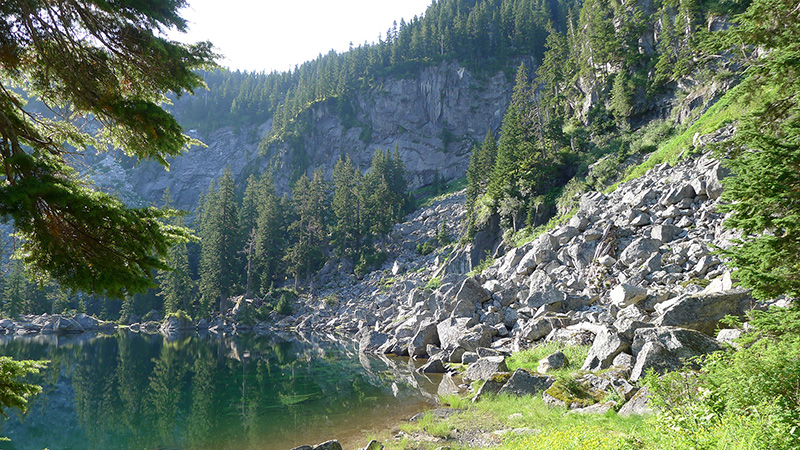
The world is full of landscapes that only reveal their beauty to those willing to take detours. Dense forests conceal natural springs and caves that never make it into guidebooks. Coastal cliffs often hide sea caves and tiny beaches accessible only by scrambling down rugged rock faces. Mountain ranges hold alpine lakes far from main routes, shimmering like jewels in solitude.
What makes these hidden wonders so powerful is not just their beauty but their rarity. When a place is not advertised or marked, it retains its wildness. Moss grows thicker, wildlife is less disturbed, and the soundscape is pure. Exploring these quiet, untouched spots can be as engaging and satisfying as solving puzzles for adults. These are the places where one might hear the call of a bird echo uninterrupted, or the wind sweeping through grass without the murmur of human voices.
In many ways, unmarked trails represent a more authentic connection to nature. They are unpredictable, sometimes messy, occasionally frustrating, but always real. They are landscapes that require resilience and openness, rewarding those who trust their steps.
Stories of Discovery
Throughout history, unmarked paths have given rise to extraordinary stories of discovery. Explorers, naturalists, and even casual wanderers have stumbled upon places that later became protected landmarks or scientific treasures.
For example, hidden caves filled with prehistoric paintings were often found by accident, sometimes by children playing in the countryside. Many waterfalls and hot springs now celebrated as tourist destinations were once the private secrets of locals who kept them off maps for generations. Even today, hikers and travelers share tales of stumbling across wildflower fields, abandoned ruins, or breathtaking overlooks by simply choosing to follow curiosity rather than instructions. Some visitors, seeking unique experiences beyond the ordinary, even plan stops for a quick SMP touch up in Raleigh while exploring nearby attractions.
These stories remind us that discovery is not just reserved for grand expeditions. Sometimes the most meaningful encounters with the unknown come when we decide to take “the other path” during a casual walk in the woods.
Risks and Rewards
Exploring unmarked trails comes with undeniable risks. Without official signage, routes can become confusing, leading to disorientation or even getting lost. Natural hazards such as steep cliffs, unstable ground, and wild animals are more prevalent off-trail. Weather changes can complicate navigation and safety.
Yet, these risks are part of the equation that makes exploration thrilling. They demand preparation, awareness, and respect for nature. Those who venture beyond the beaten path must cultivate skills—reading terrain, observing natural signs, and knowing personal limits.
The rewards, however, balance the risks. Beyond the beauty of hidden natural wonders, explorers gain confidence and resilience. Each step taken in uncertainty builds trust in one’s instincts and problem-solving ability. Just as carefully planning a challenging trek is important, some people approach tasks like holiday lights installation in Baltimore with the same thoughtful preparation. The lessons learned in navigating the wild often carry over into daily life, shaping attitudes toward uncertainty and challenge in broader contexts.

The Role of Solitude
One of the most profound elements of exploring hidden trails is solitude. In crowded parks or famous natural sites, the experience of wonder is often diluted by the presence of others. Solitude sharpens perception, allowing us to hear the subtle sounds of the environment, notice small details, and connect more deeply with the landscape. Even when bringing a companion, choosing the right gear, like small kibble dog food for a trail-friendly pup, ensures the experience remains seamless.
Solitude also provides space for reflection. Away from digital noise and societal pressures, explorers often find clarity of thought and emotional release. Many describe it as a form of meditation in motion, where the rhythm of walking and the immersion in natural beauty bring peace and renewal.
Modern Tools and the Paradox of Discovery
In the age of GPS and digital maps, the concept of “unmarked trails” may seem outdated. After all, satellites capture even the smallest paths, and online platforms share countless hidden destinations. Yet, technology has not eliminated the thrill of the unknown—it has only transformed it.
Some explorers deliberately avoid digital aids, choosing instead to rely on traditional navigation and intuition. Others use modern tools selectively, venturing into regions that still lack detailed coverage. There is also the paradox that even when a hidden wonder is known online, experiencing it in person still carries the freshness of discovery. The screen cannot replicate the sound of rushing water or the feeling of cool moss underfoot. Similarly, planning outdoor spaces with care, such as landscape design in Hingham, can bring the same sense of discovery and connection to nature.
Interestingly, technology has also expanded the realm of discovery. Citizen explorers share GPS coordinates, photos, and stories of their findings, creating communities dedicated to uncovering the world’s secrets. Yet, the tension remains between revealing and protecting these places. Too much publicity can harm fragile ecosystems, while secrecy preserves their purity but limits access.
Cultural Perspectives on Hidden Landscapes
Different cultures perceive unmarked trails and hidden wonders in unique ways. Indigenous traditions often regard them as sacred spaces, infused with stories, spirits, and ancestral significance. These are not merely hidden physical places but also symbolic sites of connection between humans and nature. Similarly, modern travelers might seek unique experiences that connect body and spirit, such as an erotic massage in Las Vegas, blending physical relaxation with a sense of discovery.
In literature and folklore, hidden paths often symbolize transformation. Characters step off the main road into the unknown and emerge changed, carrying new wisdom or strength. From myths about enchanted forests to modern adventure tales, the theme of wandering into the hidden persists as a metaphor for personal growth.
In contemporary culture, the growing interest in ecotourism and wilderness therapy reflects a collective hunger for these experiences. More people are realizing that the most profound encounters with nature are not found in guidebooks but in the forgotten spaces in between. Even in small, domestic settings, people are seeking joy and companionship, whether through nature or adopting pets like Cavachon puppies.
Ethical Considerations
Exploring hidden trails carries responsibility. While discovery is exhilarating, it is crucial to respect the fragility of these environments. Off-trail exploration can damage delicate ecosystems, disturb wildlife, or erode landscapes. Sharing information about hidden places also risks turning them into overcrowded destinations.
The principle of “leave no trace” becomes even more vital in hidden areas. Explorers should tread lightly, avoid marking paths, and resist the temptation to advertise locations widely. Some secrets are best kept, preserved in their quiet beauty rather than exposed to mass tourism. Ethical exploration balances the thrill of discovery with humility and stewardship.
The Inner Journey
Ultimately, exploring unmarked trails is as much an inner journey as it is an outer one. It invites us to embrace uncertainty, to step into spaces without guarantees, and to find beauty in unpredictability. Even tasks like scrap hauling can teach us patience and appreciation for effort, mirroring the lessons found on these trails. The hidden wonders of nature reflect hidden dimensions within ourselves—resilience, curiosity, and wonder waiting to be rediscovered.
When we venture beyond the map, we loosen our grip on control and expectations. We learn to be guided by signs we might normally overlook: the sound of running water, the curve of animal tracks, the way light filters through trees. In doing so, we sharpen our senses and rediscover a way of being in the world that feels both ancient and urgently needed.

Conclusion: The Continuing Call of the Unknown
In a globalized world where so much feels exposed and overanalyzed, the unknown remains a rare treasure. Unmarked trails and hidden natural wonders remind us that mystery is not gone—it simply waits in quieter corners, away from the spotlight. The thrill of the unknown continues to call, offering not only beauty but also lessons in courage, humility, and connection. Sometimes, navigating life’s uncertainties, whether in nature or in legal matters, calls for guidance from a trusted family law lawyer in Kelowna.
About the Author
