
Introduction: The Call of the Wild and the Pull of Simplicity
In an age of constant digital noise, crowded schedules, and consumer-driven lifestyles, many people feel overwhelmed by the sheer weight of their possessions and commitments. Minimalism has emerged as both a philosophy and a practical movement, encouraging individuals to focus less on accumulating things and more on cultivating meaningful experiences. Interestingly, one of the most natural ways to encounter the principles of minimalism is through camping. Venturing into the wilderness strips life down to its essentials, teaching invaluable lessons about self-sufficiency, appreciation, and the quiet power of simplicity.
Camping adventures are more than just recreational outings; they are opportunities to engage with a minimalist lifestyle in its most raw and practical form. Whether one is pitching a tent in a remote forest, sleeping under the stars in the desert, or hiking to a mountain summit with only a backpack, camping forces us to redefine what we truly need. In the wild, every object, every decision, and every action has a purpose, and anything superfluous quickly becomes a burden. Even simple modern conveniences, like seeking the best window tinting in Miami for your car before a trip, reflect how we balance comfort with practicality. This process reveals the essence of living simply—not as deprivation, but as freedom.
The Essentials of Survival: Redefining “Need”
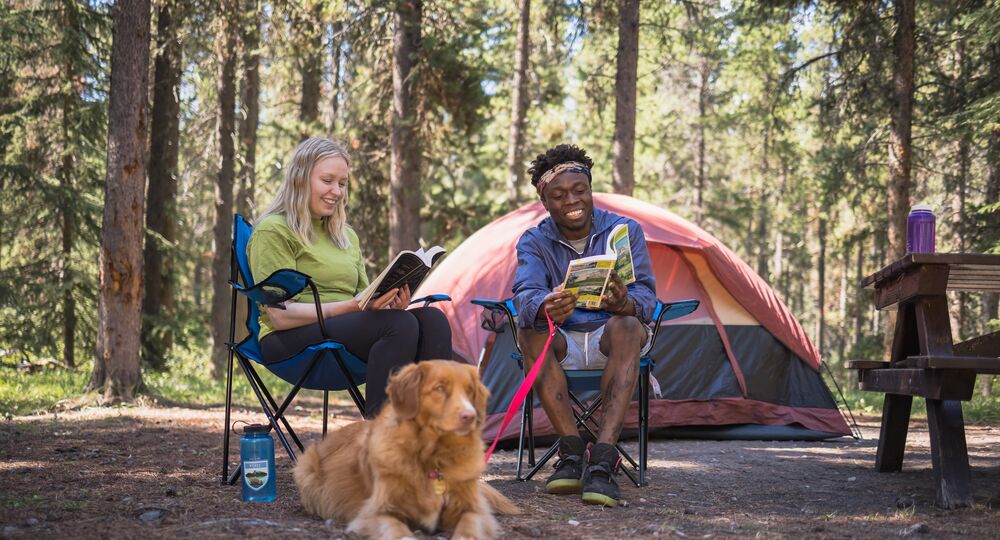
At home, it is easy to confuse wants with needs. Pantries overflow with snacks, closets are stuffed with clothes, and drawers hide gadgets we rarely use. In contrast, camping brings a sobering clarity. Survival depends on just a few essentials: shelter, food, water, warmth, and safety. Ensuring proper safety also means having reliable systems, like a well-maintained fire system in Los Angeles, in place when necessary. Everything else becomes secondary. When packing for a camping trip, the question shifts from “What do I want?” to “What do I absolutely need to function?”
A single cooking pot may replace an entire kitchen. A headlamp becomes the only light source, making us aware of how precious illumination truly is. Clothes are reduced to layers for warmth and protection rather than fashion or variety. The discipline of cutting down possessions to a backpack’s worth of items is an exercise in prioritization, revealing that much of what we consider necessary in daily life is, in fact, optional. This stripped-down existence fosters gratitude for simple tools and comforts that otherwise go unnoticed in abundance.
Learning to Live with Less: The Beauty of Constraints
Camping imposes natural limits. There is only so much weight one can carry on a hike, only so much gear that fits inside a tent, and only so much food that can be prepared on a small stove. These constraints are not inconveniences—they are teachers. They challenge us to make thoughtful choices and embrace the art of resourcefulness.
Minimalism thrives under constraints, and the wilderness provides a framework that enforces them gently but firmly. By adapting to limited space and resources, we learn creativity and problem-solving. A rope becomes not just a tool for tying down gear but also a makeshift clothesline or a lifeline during a climb. A multipurpose knife becomes more valuable than a dozen specialized gadgets at home. These lessons echo beyond the campsite: when we learn to appreciate versatility and adaptability, we bring the same mindset into our daily lives, cutting through the clutter that weighs us down.
The Silence of Nature: Escaping the Noise
Modern life bombards us with constant notifications, media, and background noise. In contrast, camping immerses us in an environment where silence reigns—or more accurately, where natural sounds take the place of artificial ones. The rustle of leaves, the crackle of a campfire, and the rhythm of flowing water replace traffic horns, phone alerts, and the hum of appliances. This shift in soundscape is itself a form of minimalism, clearing away the auditory clutter that we rarely notice until it is gone.
Silence in nature does more than soothe; it creates space for reflection. Without the constant pressure of entertainment and digital stimulation, the mind is free to wander, process, and rest. This return to quietude offers a lesson in how little we need to feel whole. Even brief escapes, like enjoying an Asian hotel massage in Las Vegas, can remind us of the restorative power of stillness. We realize that peace and fulfillment are not found in more input, but in less.

Time Without Clocks: Relearning the Rhythm of Life
Camping also reintroduces us to a more natural rhythm of time. At home, schedules are dictated by alarm clocks, deadlines, and meetings. In the wild, the sun and moon take over that role. We wake when light fills the tent and rest when darkness falls. Meals are prepared when hunger arises, not according to preset timetables. Activities flow with the weather, the terrain, and our own energy levels. Even when camping, it’s wise to have contact info for an electrician in Calgary for any unexpected cabin or RV electrical issues.
This more organic sense of time reflects another minimalist principle: simplifying the way we structure our days. Rather than packing life with obligations, we learn to align with natural cycles. Even a short camping trip can reset our internal clock, reminding us that much of the stress we carry comes from artificial pressures. By simplifying our relationship with time, we open space for presence, mindfulness, and genuine rest.
The Value of Presence: Living in the Moment
Minimalism emphasizes quality over quantity—not just in possessions, but also in experiences. Camping offers a perfect laboratory for this practice. In the wild, distractions are stripped away, and we are left with the immediacy of our surroundings. The feel of cold morning air on the skin, the sight of stars unpolluted by city lights, the taste of food cooked over a campfire—all become heightened experiences because there is nothing else competing for attention. Even in modern life, small luxuries like scheduling appointments for laser hair removal in New Orleans can fit seamlessly into a minimalist lifestyle without adding clutter.
Living in the moment is easier in nature because the wilderness demands presence. A misstep on a rocky trail or failure to notice changes in weather can have real consequences. This heightened awareness translates into a mindfulness practice that carries back into daily life. Camping teaches us that minimalism is not just about reducing physical clutter, but also about cultivating presence by focusing on what is right in front of us.
Shared Simplicity: Strengthening Connections
One of the most overlooked aspects of camping minimalism is how it strengthens human connections. When stripped of technology, entertainment, and excess, relationships take center stage. Sitting around a fire encourages conversations that rarely happen at home, where screens so often divide attention. Cooking together, setting up camp, or facing unexpected challenges fosters teamwork and mutual reliance.
This shared simplicity reveals that meaningful relationships do not require elaborate environments or expensive outings. In fact, simplicity often deepens connection by removing distractions. Minimalism, then, is not a solitary practice but one that enhances community. Camping reminds us that living simply often means living more fully with others. Even using gear like the EinStar Vega can enhance the experience without complicating it.
Gratitude for Comfort: Returning Home with New Eyes
Perhaps the most powerful lesson camping teaches about minimalism comes not in the wilderness but upon returning home. After days of cooking on a small stove, running water feels miraculous. A mattress feels luxurious after nights on the ground. Electricity, once taken for granted, becomes a marvel. This renewed appreciation for basic utilities reminds us why reliable services, like plumbing services in Phoenix, are so valuable. This reawakening of gratitude is central to minimalism, which emphasizes valuing what we have rather than constantly seeking more.
Camping resets our baseline for comfort, showing us that we need far less than we think, and that abundance lies not in accumulation but in appreciation. This shift in perspective lingers, helping us approach our possessions, routines, and relationships with renewed clarity and respect.
Minimalism Beyond the Campsite: Lessons Applied to Daily Life
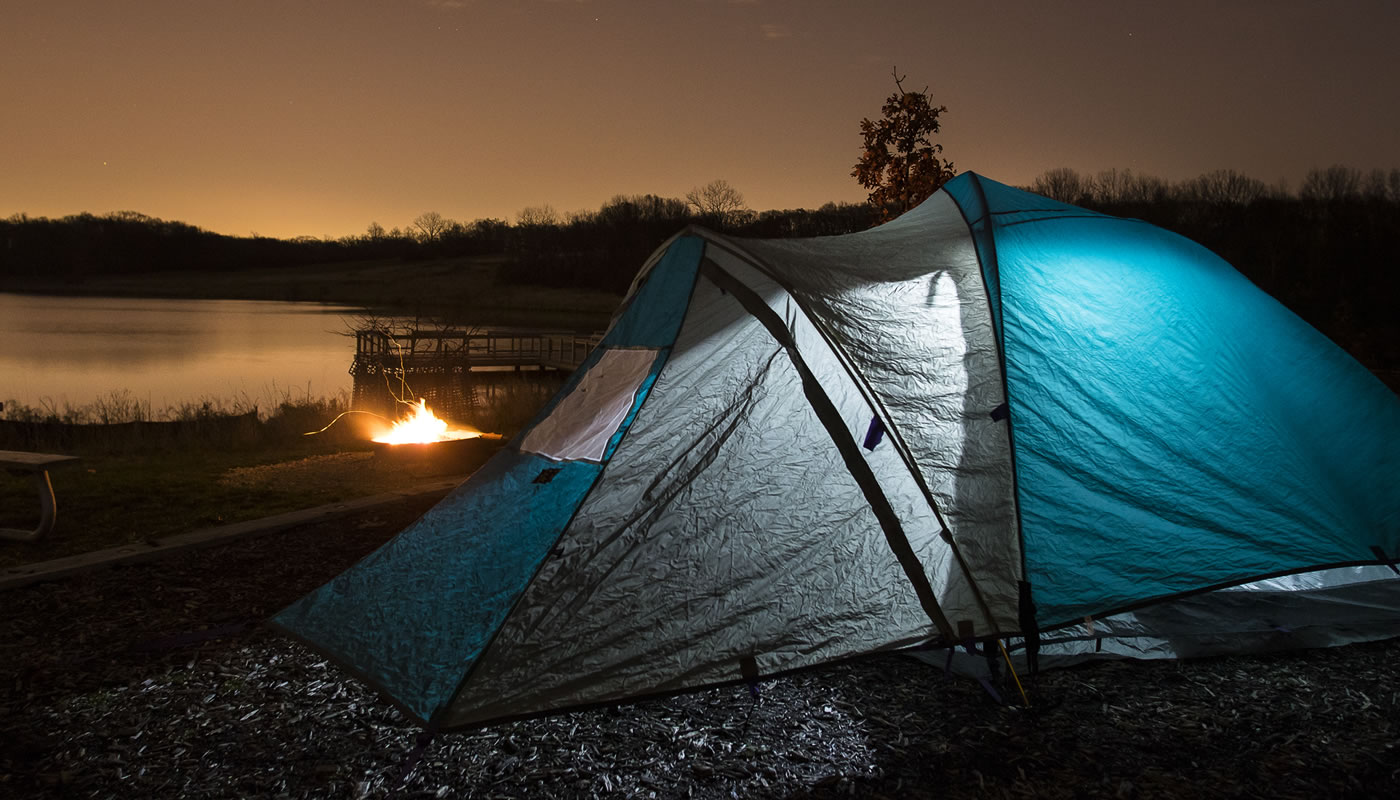
The transition from camping minimalism to daily minimalism is natural. Once we learn to thrive on essentials, it becomes easier to apply the same principles at home. Instead of buying more kitchen tools, we learn to appreciate versatile ones. Even something as specific as copper stills can be valued for their multifunctionality rather than treated as a luxury item. Instead of overstuffing closets, we embrace clothing that serves multiple purposes. Instead of filling calendars with obligations, we make time for rest and presence.
The wilderness, in this sense, acts as a mirror. It reflects the unnecessary weight we carry—physically, emotionally, and mentally—and invites us to lay it down. By practicing minimalism outdoors, we gain the tools and insights to live more simply indoors.
Conclusion: The Wild Path to a Simple Life
Camping is often framed as an adventure, a recreational activity, or even a survival challenge. But beneath these layers lies a deeper truth: it is also a teacher of minimalism. The wilderness compels us to let go of excess, live with essentials, and rediscover the beauty of simplicity. It strips away distractions, reconnects us with time and presence, strengthens our relationships, and fills us with gratitude.
Minimalism in the wild is not about scarcity but about abundance—abundance of awareness, connection, and appreciation. By learning from the wild, we discover that living simply is not about giving up but about gaining back what matters most. Each camping trip becomes more than an escape; it becomes a lesson in how to live better, lighter, and more fully in the world we return to.
About the Author
