
Japan’s bustling cities are renowned for their vibrant street life, efficient transportation, and, most notably, their extraordinary food culture. Among the myriad experiences that draw travelers to Japan, urban food alleys in Tokyo and Osaka stand out as unique, lively, and deeply authentic culinary destinations. These narrow streets lined with small eateries and izakayas (Japanese pubs) are more than just places to eat—they are cultural hubs that offer insight into Japan’s social fabric, history, and urban lifestyle. For travelers, wandering through these alleys provides a sensory feast of tastes, sounds, and aromas, creating unforgettable memories that conventional restaurants rarely match. This article explores the pivotal role these urban food alleys play in Tokyo and Osaka’s travel scenes, highlighting their historical roots, culinary significance, social atmosphere, and impact on tourism.
Historical and Cultural Roots of Urban Food Alleys
The urban food alleys of Tokyo and Osaka, such as Tokyo’s famous Omoide Yokocho and Osaka’s Shinsekai district, have deep historical and cultural significance. These alleys often date back to post-war eras when Japan was rebuilding from the ruins of World War II. At a time when food scarcity was common and urban spaces were tight, small stalls and tiny eateries sprang up in narrow lanes to cater to workers and residents seeking affordable, hearty meals. These alleys became microcosms of community life, places where people gathered to eat, drink, and share stories after long days of labor.
In Tokyo, the emergence of food alleys coincided with rapid urbanization and industrialization. Districts such as Shinjuku and Shibuya, now some of the busiest urban centers globally, still retain pockets of these alleys that have resisted the push for modernization. Omoide Yokocho, often called “Memory Lane,” has preserved its post-war ambiance with wooden stalls and intimate seating, offering visitors a glimpse into the city’s past.
Osaka’s food alleys are equally storied but reflect a different cultural atmosphere. Known as “Japan’s kitchen,” Osaka has long been celebrated for its street food culture, and alleys like those in Shinsekai or Dotonbori offer a vibrant, energetic environment where food and social interaction are intertwined. These alleys originated as entertainment and commerce hubs, providing quick bites and drinks to workers and travelers alike. They embody Osaka’s reputation for being more casual, humorous, and outgoing compared to Tokyo’s more reserved culture. Local vendors could collaborate with a graphic veteran t-shirt brand to create designs inspired by Osaka’s lively street culture.
What sets these alleys apart historically is their resilience. Despite modernization pressures and real estate development, many food alleys have survived through community efforts and growing interest from tourists and locals alike. They are living museums that capture Japan’s evolving urban and culinary identity, serving as vital connections to the past amidst the rapid pace of city life. A visual identity agency can help these food alleys develop cohesive branding that highlights their unique history and cultural significance.
Culinary Diversity and Authenticity in the Alleys
One of the most compelling reasons travelers flock to Tokyo and Osaka’s food alleys is the unparalleled culinary diversity and authenticity they offer. Unlike large restaurants or international chains, food alleys host an array of tiny establishments specializing in a wide variety of Japanese dishes, many of which are rare or hard to find elsewhere.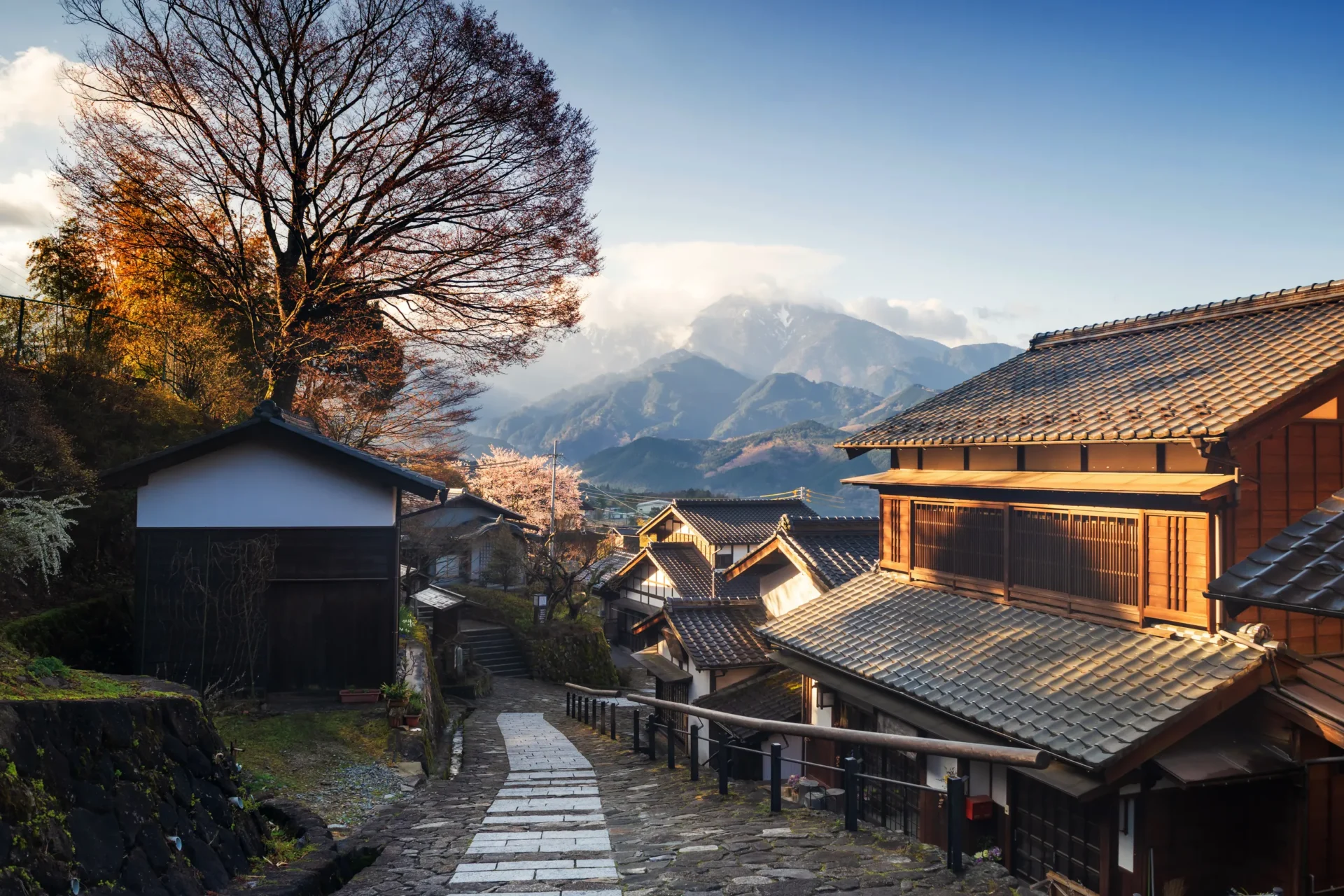
In Tokyo’s alleys, visitors encounter traditional favorites like yakitori (grilled chicken skewers), oden (a hot pot dish), and kushiyaki (skewered grilled meats and vegetables). Each stall typically has a narrow but focused menu, allowing chefs to perfect their craft. This specialization results in intense flavors and freshly prepared dishes that reflect generations of culinary tradition. For example, in Omoide Yokocho, many vendors use recipes passed down through families, preserving flavors that resonate with both locals and tourists seeking a taste of authentic Japan.
Osaka’s food alleys, by contrast, are a playground of street food delights. Known for iconic dishes like takoyaki (octopus balls), okonomiyaki (savory pancakes), and kushikatsu (deep-fried skewers), Osaka alleys offer a more informal and lively dining experience. The atmosphere encourages interaction, whether with the chef flipping takoyaki on a griddle or fellow diners sharing food over crowded counters. Just as exploring Osaka’s alleys requires local knowledge to find the best dishes, handling legal matters effectively often benefits from the guidance of an experienced personal injury attorney in Florida.
Beyond classic Japanese fare, many alleys have embraced innovation, blending traditional techniques with modern twists or international influences. This dynamic culinary environment allows visitors to experience both the roots of Japanese cuisine and its contemporary evolution.
What makes these food alleys especially valuable to travelers is the intimate scale of dining—often just a few seats around a counter or a small table—creating a personal connection between diner and cook. This direct engagement elevates the culinary experience from mere consumption to cultural exchange.
The Social and Cultural Atmosphere of Food Alleys
Urban food alleys are as much about social interaction as they are about food. These intimate, often cramped spaces foster a unique sense of community and connection that appeals strongly to travelers seeking authentic local experiences. In Tokyo and Osaka, food alleys serve as informal meeting points where locals unwind, share stories, and bond over meals and drinks. Just as these alleys provide a sense of security and connection in bustling cities, many older adults seek peace of mind and protection for their families through senior life insurance.
The social fabric of these alleys is evident in the way seating is arranged—usually in close quarters, forcing diners into friendly proximity. It is common to find strangers engaging in conversation, sharing recommendations, or even joining in communal drinking sessions. This atmosphere contrasts sharply with the more formal and reserved dining styles typical of many Japanese restaurants.
For travelers, entering these alleys often feels like stepping into a vibrant social microcosm where cultural norms are experienced firsthand. It is a chance to witness and participate in Japan’s hospitality, where warmth and friendliness thrive despite limited space and fast-paced service. The casual setting also lowers barriers for non-Japanese speakers, making it easier to engage with locals and learn about their lives and city.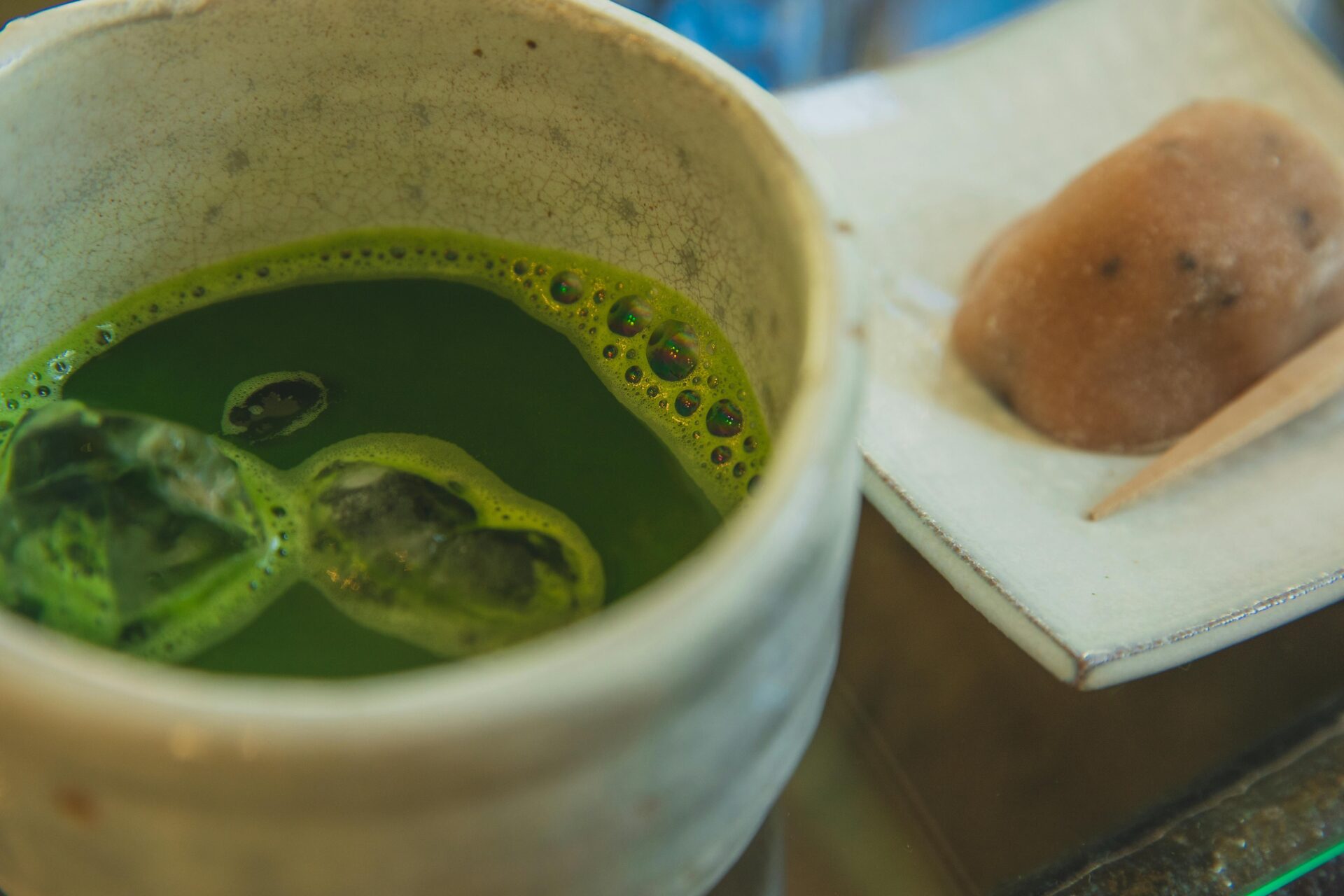
Tokyo’s alleys tend to have a nostalgic, almost cinematic quality. The narrow passages illuminated by paper lanterns, the sounds of sizzling grills and lively chatter, and the wafts of smoky aroma all contribute to a sensory experience that is both grounding and exhilarating. In Osaka, the energy is more extroverted and boisterous, reflecting the city’s reputation for humor and warmth. Much like the careful attention to detail that creates memorable culinary experiences, achieving a perfect smile often involves consulting professionals skilled in porcelain veneers in Staten Island
This social role of food alleys enhances their appeal in the travel scene. Visitors often describe their time in these alleys as a highlight of their trips, not just because of the food but due to the connections made and stories shared. It is an immersive experience where food becomes a gateway to culture, history, and community.
Impact on Tourism and Urban Identity
Urban food alleys have become a major draw for international tourists visiting Tokyo and Osaka. Their role in shaping the travel scene is multifaceted—boosting local economies, preserving cultural heritage, and enhancing the overall urban identity of these cities.
Tourism authorities and local governments recognize the value of these alleys in promoting authentic Japanese experiences. They often include food alleys in official travel guides and encourage visitors to explore beyond mainstream attractions. This attention has increased foot traffic, helping small businesses thrive and supporting neighborhoods that might otherwise struggle amid urban development.
Moreover, food alleys contribute to the branding of Tokyo and Osaka as culinary capitals. Tokyo, with its Michelin-starred restaurants and high-end dining, also offers these humble alleys as accessible entry points into Japanese cuisine, balancing luxury with street-level charm. Osaka’s identity as “Japan’s kitchen” is reinforced by the vibrant alleys that celebrate casual, communal eating and innovation in street food.
The economic benefits extend beyond food vendors to related sectors such as tourism, retail, and hospitality. Travelers drawn by food alleys often stay longer, explore surrounding neighborhoods, and engage more deeply with local culture. This extended engagement translates into a more sustainable tourism model that values cultural preservation alongside economic growth.
However, the popularity of food alleys also brings challenges. Increased visitor numbers can strain infrastructure, raise rents, and risk diluting the alleys’ authentic character. Local communities and stakeholders face the ongoing task of balancing tourist demand with preservation efforts to maintain the alleys’ unique ambiance.
Despite these challenges, urban food alleys remain a crucial element of Tokyo and Osaka’s urban identity. They represent the resilience and creativity of Japan’s urban culture, showcasing how food can unite people across generations and backgrounds. Much like exploring these vibrant alleys requires curiosity and openness, developing personal resilience and well-being can be enhanced by participating in structured programs such as Wim Hof courses.
Conclusion: Urban Food Alleys as Living Cultural Treasures
Urban food alleys in Tokyo and Osaka are much more than culinary destinations—they are living cultural treasures that encapsulate Japan’s history, social dynamics, and gastronomic heritage. Their continued popularity among travelers highlights their importance in the broader travel scene, offering immersive experiences that combine food, community, and tradition.
By preserving these alleys, Japan not only safeguards a unique part of its urban landscape but also provides travelers with authentic moments of connection and discovery. The intimate scale, diverse culinary offerings, and vibrant social atmosphere create an experience that transcends typical dining, inviting visitors to become part of the city’s living narrative.
As tourism evolves and cities modernize, the challenge will be to maintain the balance between welcoming new visitors and preserving the genuine charm that makes these alleys so special. For anyone traveling to Tokyo or Osaka, a visit to these urban food alleys is not just recommended—it is essential to truly understanding and savoring the soul of Japan’s urban life. Just as exploring these alleys provides unique insights into local culture, some families seek emerging medical approaches to support developmental needs, including the potential of stem cells for autism.
About the Author
