
The Call of the Trail
There is something timeless about the act of walking. Long before cars, trains, and airplanes, human beings moved through the world on foot, carving paths across mountains, deserts, and forests. Hiking is both ancient and deeply modern, carrying with it the dual sense of survival and leisure, of exploration and inner reflection. For some, the trail is a place of solitude and healing. For others, it is a test of endurance and willpower. And for a few, the trail becomes the foundation of legends—stories of hikers who defied the odds, who walked further and longer than anyone thought possible, and who inspired generations of adventurers.
To understand the culture of hiking is to recognize its duality: it is at once deeply personal and profoundly communal. Every hiker experiences the trail differently, but each journey contributes to the wider narrative of human exploration. From legendary figures who shaped our understanding of long-distance hiking to the cultural phenomena surrounding iconic trails, these stories form a living tapestry of adventure. For those looking to blend a love of nature with daily life, many consider exploring neighborhoods near popular hiking areas while searching for houses for sale in Vancouver.

Early Pioneers of the Modern Hiking Movement
Although humans have always walked long distances, the idea of hiking as recreation gained momentum in the 19th and early 20th centuries. European travelers romanticized alpine treks, while in North America, naturalists such as John Muir helped popularize the idea of venturing into wilderness not just for necessity but for spiritual renewal. Muir’s writings about the Sierra Nevada became foundational texts, encouraging people to step into the wild for a sense of connection with nature. His influence also helped establish the American national park system, ensuring trails would be preserved for future generations.
In Europe, the long-distance walking tradition took root in pilgrimages like the Camino de Santiago in Spain, which blended spirituality with physical challenge. In time, these paths evolved into secular routes where hikers could connect with history, culture, and the shared experience of walking in the footsteps of countless others.
Legendary Figures on the Trail
Every culture of adventure has its heroes, and hiking is no exception. In the United States, the Appalachian Trail, the Pacific Crest Trail, and the Continental Divide Trail have produced iconic hikers whose stories are retold like folklore.
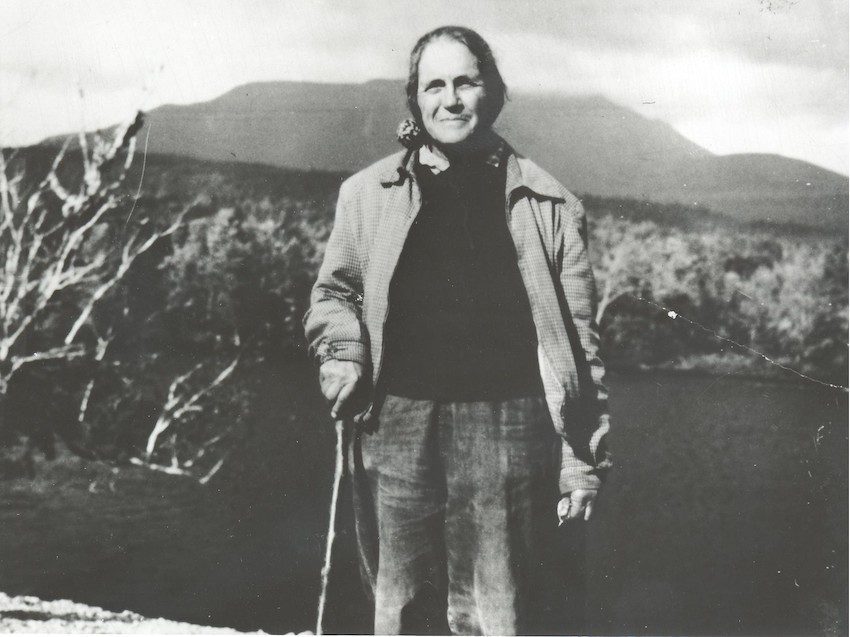
One such figure is Grandma Gatewood, whose real name was Emma Rowena Gatewood. In 1955, at the age of 67, she became the first woman to hike the Appalachian Trail solo and in a single season. Carrying only a small sack and wearing canvas sneakers, she redefined what was possible and proved that hiking long trails was not just the domain of young, rugged men. Her story inspired a wave of thru-hikers and demonstrated that perseverance often outweighs equipment or preparation.
Another legendary hiker is Earl Shaffer, often referred to as the first Appalachian Trail thru-hiker. In 1948, just after returning from World War II, Shaffer walked the entire 2,000-mile trail, claiming he wanted to “walk off the war.” His journey was one of healing as much as adventure, showing how hiking could serve as therapy for the wounds of trauma. His achievements have even been celebrated at events featuring a step-and-repeat banner.
More recently, Cheryl Strayed brought long-distance hiking into mainstream culture with her memoir Wild, which chronicled her 1,100-mile trek on the Pacific Crest Trail. Her raw honesty about grief, addiction, and transformation gave readers a glimpse into how the trail can strip life down to its essentials and build a person back up again. Strayed’s story inspired thousands of new hikers to set foot on long-distance trails, proving that the culture of adventure continues to evolve.
Epic Journeys Across the Globe
The stories of legendary hikers are inseparable from the trails themselves, and these routes have become cultural icons. The Appalachian Trail winds through 14 states in the eastern United States, offering not just rugged mountains but also a strong sense of community among hikers. Trail names, trail angels, and traditions like signing logbooks contribute to a shared culture that is as important as the hike itself.
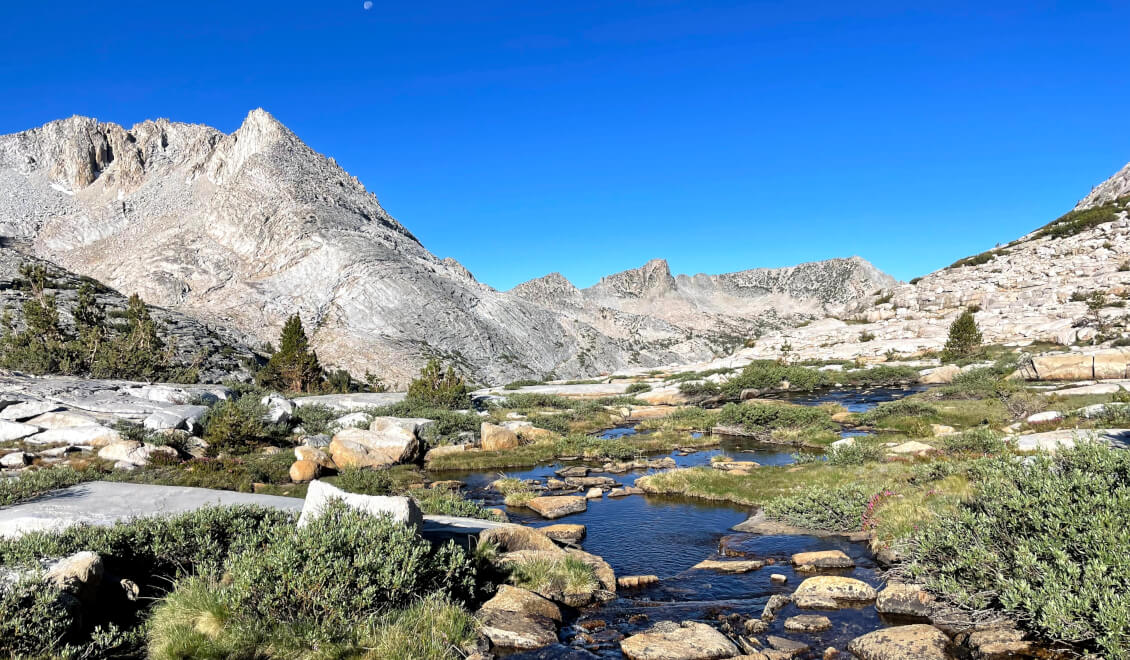
The Pacific Crest Trail, stretching from Mexico to Canada through California, Oregon, and Washington, offers another kind of epic journey. With desert heat, high Sierra snow, and lush northern forests, it demands versatility and resilience from those who attempt a thru-hike. The trail has become a rite of passage for those seeking to test themselves against varied landscapes and climates.Just as landscaping in Green Bay requires careful planning and adaptation to changing seasons and terrain, hikers on the Pacific Crest Trail must adjust to diverse climates and landscapes to successfully complete their journey.
Across the Atlantic, the Camino de Santiago blends hiking with history and spirituality. For centuries, pilgrims have walked the route to the shrine of Saint James in Santiago de Compostela, but today the Camino attracts adventurers of all faiths and backgrounds. Each pilgrim’s journey is marked not just by the miles walked but by the encounters with fellow travelers and the reflection the trail invites.
In South America, the Inca Trail to Machu Picchu offers a journey through history, following ancient stone pathways once used by the Inca civilization. It combines breathtaking Andean scenery with a sense of walking in the footsteps of a lost empire. Similarly, trails like New Zealand’s Te Araroa or the Israeli National Trail have become modern testaments to how countries preserve their landscapes while fostering cultures of hiking and exploration.Just as custom sidewalk doors NYC are designed to fit unique spaces while enhancing functionality and aesthetic appeal, these hiking trails are carefully maintained to blend with the natural environment while providing a memorable and safe experience for explorers.
The Culture of Adventure
Hiking culture is more than the act of walking long distances. It encompasses traditions, shared language, and rituals that bind hikers together. On the Appalachian Trail, hikers often adopt “trail names,” nicknames given by themselves or others that become identities within the hiking world. These names reflect personality, quirks, or memorable events, and they serve as badges of belonging within the trail community. Just as hikers rely on the right gear to navigate the trail, restaurants need proper tools, such as restaurant equipment in Tampa, to ensure smooth operations and success.
Another tradition is the phenomenon of “trail magic,” where strangers—often former hikers or supportive locals—offer food, rides, or encouragement to those on long treks. These small acts of kindness create a sense of camaraderie that defines the culture of the trail. For many hikers, trail magic is a reminder that even in solitude, one is never truly alone.Just as thoughtful choices in interior design South Florida can transform a space into a welcoming and harmonious environment, acts of trail magic create moments of warmth and connection that uplift hikers along their journey.
There is also an unspoken ethos that governs the culture of hiking: respect for nature and fellow travelers. The Leave No Trace principles, encouraging minimal environmental impact, have become core to the culture. To hike is not just to explore but to preserve, ensuring that future generations can share in the same experiences.
Hiking as Transformation
While the physical challenges of hiking are real—blisters, exhaustion, unpredictable weather—the deeper stories often come from the transformations hikers undergo. Many describe long hikes as pilgrimages of self-discovery. Stripped of daily distractions, hikers are left with their thoughts, their bodies, and the path ahead. In this way, the trail becomes both an external and internal journey.
The stories of hikers overcoming adversity—whether age, injury, grief, or self-doubt—resonate because they reflect universal struggles. Hiking becomes a metaphor for persistence, resilience, and growth. Every step forward is a lesson in patience. Every summit reached is a reminder of strength. Every failure and restart is proof that adventure is not just about the destination but the journey itself. After a long day on the trails, many hikers find comfort in a cozy stay at a boutique hotel in Washington, MO.
The Modern Era of Adventure
In the digital age, hiking culture has expanded into new forms. Social media has amplified trail stories, allowing hikers to share their journeys with global audiences. Photos of mountain vistas, daily mileage updates, and reflections on life in the wilderness inspire people who may never set foot on a trail but still connect with the spirit of adventure.
At the same time, technology has changed the way hikers experience trails. GPS apps, lightweight gear, and instant communication have made hiking safer and more accessible. Yet, this modernization also raises questions about the authenticity of the experience. For some, the allure of hiking lies in disconnecting from the digital world, embracing uncertainty, and rediscovering simplicity. For those traveling to hiking destinations by car, finding reliable body shop services in Inglewood can ensure your vehicle is ready for the journey.
Despite these debates, one truth remains constant: hiking continues to inspire people to push their boundaries, whether walking a few miles in a local park or attempting a multi-thousand-mile thru-hike.
The Eternal Pull of the Trail
The stories from the trail are more than anecdotes of physical endurance. They are testaments to the enduring human spirit, the quest for connection with nature, and the culture of adventure that transcends generations. From the legends of Grandma Gatewood and Earl Shaffer to the modern inspirations like Cheryl Strayed, each story reflects a truth: the trail calls to us because it mirrors life itself. It is unpredictable, demanding, beautiful, and transformative.
Hiking culture will continue to evolve, but the essence will remain. As long as there are paths through wilderness and people willing to walk them, new stories will be written—stories of courage, resilience, and the shared joy of adventure. The trail is not just a physical place; it is a living narrative that grows with every step, a reminder that in walking, we rediscover what it means to be human.
About the Author
