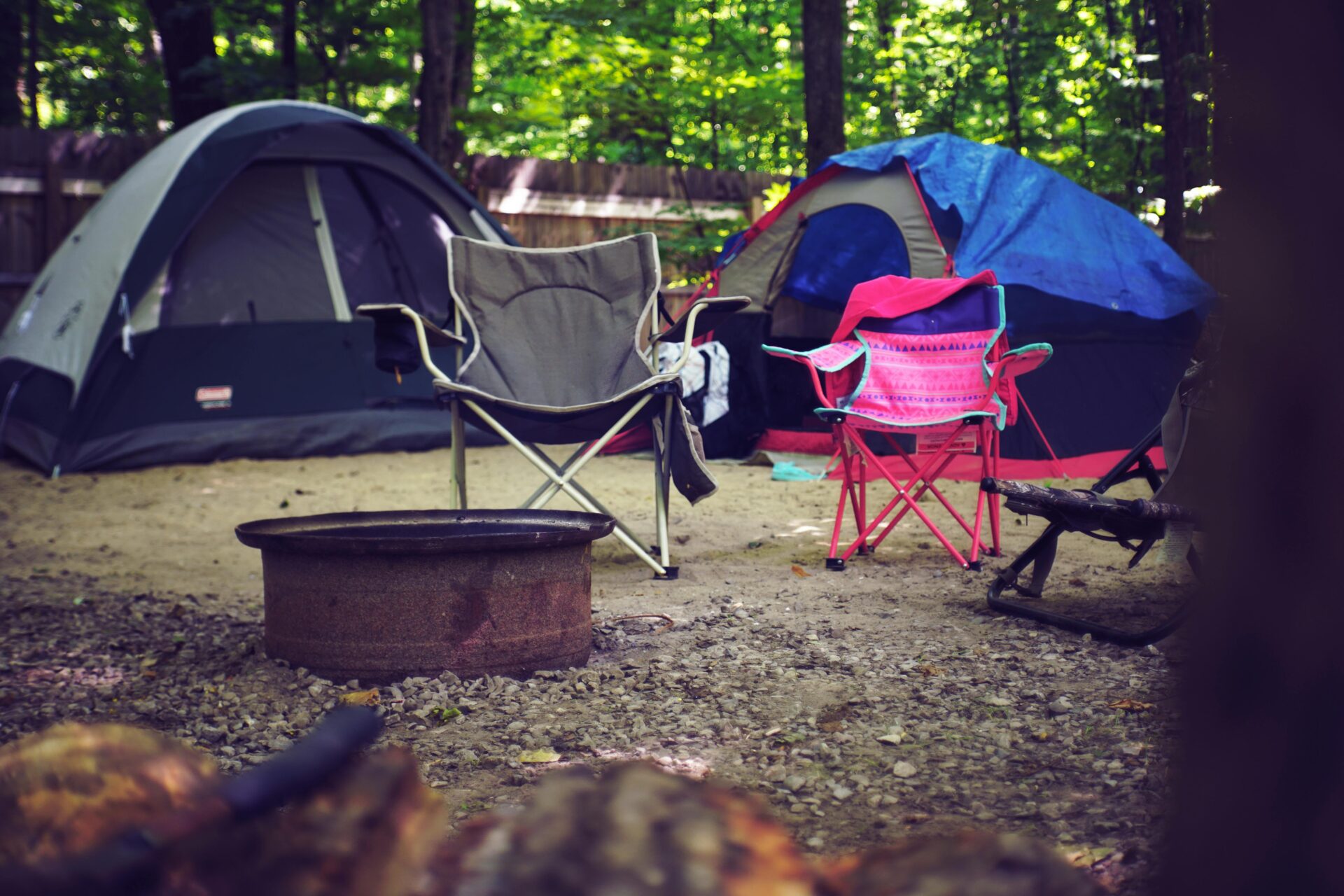
Backpacking is often viewed as the quintessential outdoor adventure—an immersive experience combining physical challenge, wilderness exploration, and self-reliance. Backpacking involves carrying all your gear on your back, trekking into remote or rugged terrain, and camping away from vehicle access. It demands physical fitness, planning, and minimalist packing but offers unparalleled freedom to explore less accessible natural landscapes.
One of the most compelling aspects of backpacking is the connection it fosters with nature. Without a vehicle nearby, backpackers fully engage their senses—tracking their progress by foot, observing changing ecosystems, and adapting to the environment. The act of carrying all necessary supplies, including shelter, food, water, and clothing, compels careful selection and prioritization of lightweight, multi-purpose gear. This minimalist approach encourages deeper appreciation of essentials and reduces environmental impact.
Backpacking trips vary from overnight excursions to multi-day or even multi-week journeys. The level of challenge depends on terrain, weather, and the backpacker’s experience. Because backpacking often means hiking several miles daily, it demands endurance, navigation skills, and awareness of safety practices, such as avoiding wildlife encounters and preparing for changing conditions. Many hikers rely on durable gear from a veteran clothing brand to ensure comfort and reliability during long treks.
The social element of backpacking can also be rewarding. Many enthusiasts enjoy solo trips for solitude or form small groups to share the experience. The camaraderie of setting up camp together, cooking simple meals over a portable stove, and storytelling around a campfire builds lasting bonds.
However, backpacking isn’t for everyone. The physical demands and requirement for specialized gear might intimidate beginners or those seeking convenience. It also requires good planning to avoid running out of supplies or getting lost. For those willing to embrace its challenges, backpacking delivers profound satisfaction, health benefits, and a deeper understanding of nature’s rhythms.
Exploring Car Camping: Comfort and Accessibility in the Great Outdoors
Car camping presents a different style of outdoor recreation that prioritizes ease, comfort, and convenience by allowing campers to bring their vehicle close to their campsite. This style suits those who want to experience nature without sacrificing many modern comforts or undertaking strenuous hikes. It’s a versatile option, popular among families, beginners, and those with limited time or physical ability.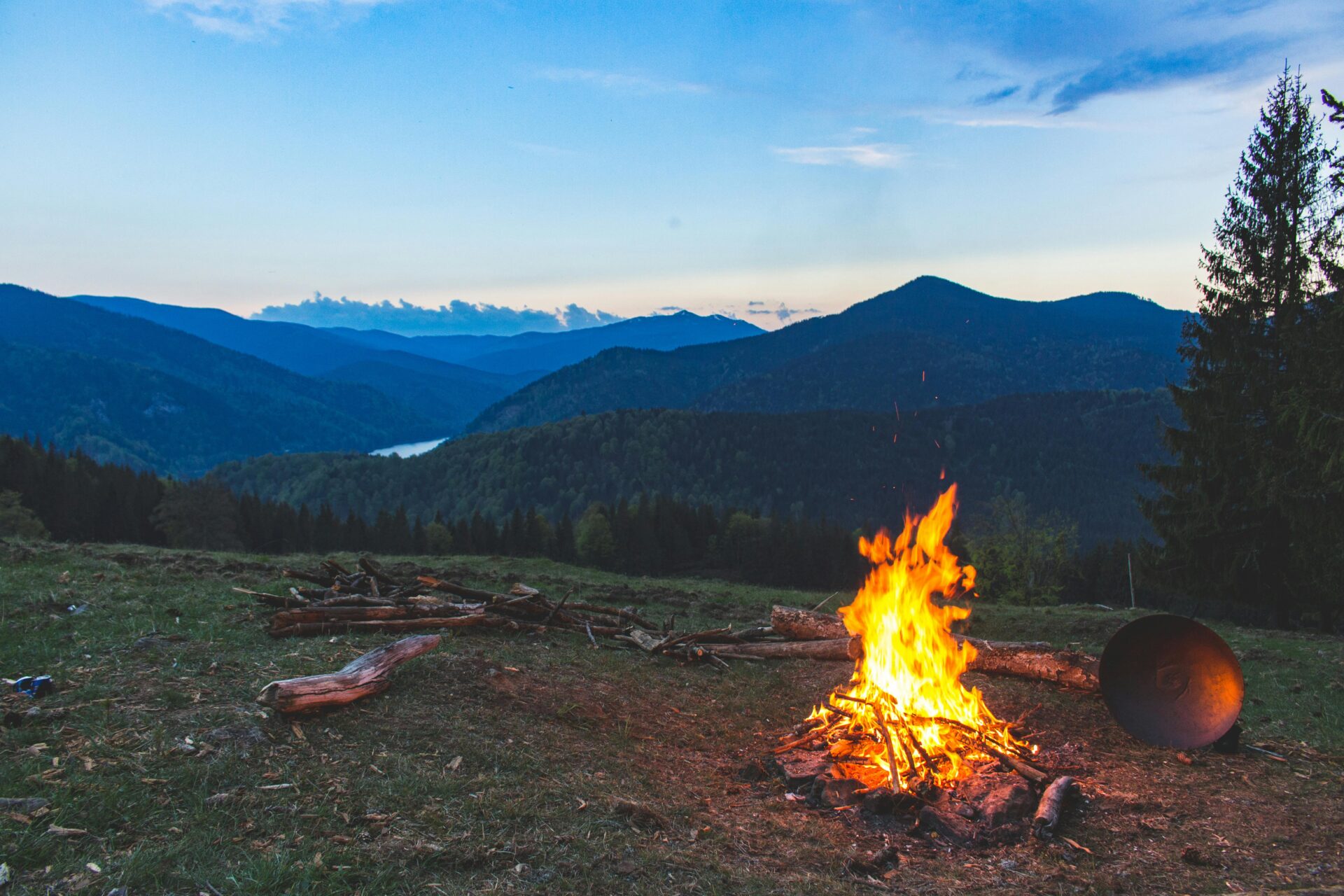
The primary advantage of car camping lies in the ability to transport larger, heavier gear without worry. Campers can bring spacious tents, bulky sleeping bags, camp chairs, coolers stocked with food and beverages, and even portable grills. The vehicle serves as a base for storing gear, sheltering pets, or charging electronic devices, enhancing the overall comfort and flexibility.
Car camping locations vary widely, from developed campgrounds with amenities like running water, flush toilets, and picnic tables, to dispersed sites in more primitive areas. This accessibility opens opportunities for casual weekend getaways, social gatherings, or extended stays in natural settings. Campers can easily bring recreational equipment such as bikes, kayaks, or fishing gear, expanding activities beyond the campsite.
Socially, car camping often attracts groups and families, making it ideal for shared experiences. The ease of setup encourages longer, more relaxed stays, fostering deeper connections with fellow campers and nature alike. Campfires, communal meals, and stargazing create memorable moments without the physical exertion required by backpacking.
Despite its advantages, car camping comes with trade-offs. Popular campgrounds can be crowded, limiting privacy and tranquility. The reliance on a vehicle can reduce the feeling of remoteness and immersion found in backpacking. Additionally, the environmental impact can be greater due to vehicle emissions and more intensive site use.
Nevertheless, for many, car camping strikes the perfect balance—providing access to natural beauty and outdoor activities while maintaining comfort and minimizing logistical challenges. It’s an excellent introduction to camping for novices or a relaxing escape for experienced outdoorspeople.
Comparing the Cost and Gear Requirements of Backpacking and Car Camping
Financial and equipment considerations play a significant role in deciding between backpacking and car camping. Backpacking gear tends to be specialized, lightweight, and often more expensive due to the need to minimize weight without sacrificing durability or safety. Car camping allows for bulkier, heavier, and often less costly gear since weight is less of an issue.
Backpacking requires investment in quality items like lightweight tents, sleeping bags rated for the expected temperatures, compact cooking systems, water filtration or purification tools, and sturdy, comfortable backpacks. Footwear also matters significantly; hikers often opt for trail runners or lightweight hiking boots designed for long-distance trekking. These gear components can add up quickly, making the initial setup cost for backpacking higher than many anticipate.
Additionally, backpackers often spend time researching and testing gear to optimize the balance between weight and functionality. The necessity to carry everything motivates investment in multi-purpose items such as clothing layers suitable for varying weather, compact nutrition options, and efficient hydration systems. Though costly upfront, these investments pay off in comfort and safety on the trail.
In contrast, car camping gear emphasizes comfort and convenience over weight. Campers may use large family tents with multiple rooms, thick sleeping pads, camp furniture, lanterns, and even portable generators or solar panels. Coolers filled with fresh food and drink replace dehydrated backpacking meals, enhancing the culinary experience.
Cost-wise, car camping allows gradual accumulation of gear since items can be stored in the vehicle between trips. Many campers repurpose household items or purchase less specialized equipment, reducing overall expenses. Entry-level car camping can be quite affordable, while luxury options (such as RVs or camper vans) can be expensive but offer unparalleled amenities.
Transportation costs differ as well. Backpacking often requires travel to trailheads, potentially involving additional expenses for parking or shuttle services. Car camping generally involves driving directly to the site, sometimes with higher fuel costs due to vehicle weight and travel distance.
Ultimately, budgeting for camping depends on individual preferences and frequency of trips. Those committed to backpacking should plan for initial gear expenses but can minimize ongoing costs by preparing meals and maintaining gear carefully. Car campers can scale expenses according to their desired comfort level, from basic tents to elaborate setups.
Weighing Physical Demands and Accessibility in Your Camping Choice
One of the most critical distinctions between backpacking and car camping lies in the physical demands and accessibility of each. Backpacking requires fitness, stamina, and mental endurance, while car camping is accessible to a broader range of individuals regardless of physical ability.
Backpacking involves carrying a pack that can weigh anywhere from 20 to 40 pounds or more, depending on the trip length and gear. Hiking long distances over uneven, sometimes steep terrain tests cardiovascular and muscular endurance. This activity demands preparation, including conditioning hikes, strength training, and learning how to manage energy and hydration. Physical strain can be intense, especially for novices or those with health limitations.
The challenge of backpacking often appeals to adventure seekers and those who relish pushing their limits. It also encourages mindful pacing, careful rest breaks, and strategic planning of routes and campsites. While physically taxing, many find backpacking’s exertion rewarding, leading to improved fitness and a strong sense of accomplishment.
Conversely, car camping removes many physical barriers. Campers can drive to the campsite, unload gear with minimal effort, and enjoy nature without hiking miles beforehand. This accessibility opens camping to families with young children, older adults, or individuals with mobility challenges. It’s also ideal for those seeking relaxation over exertion, allowing more energy for recreational activities like fishing, swimming, or exploring nearby areas by foot or bike.
Accessibility also relates to location. Backpacking often takes place in remote wilderness areas requiring navigation and survival skills, whereas car camping tends to occur in established campgrounds or accessible dispersed sites. This difference impacts safety considerations, with backpackers needing more advanced preparation, including emergency communication tools and wilderness first aid knowledge.
Deciding between backpacking and car camping based on physical capacity and access needs ensures that outdoor experiences remain enjoyable and safe. Many people choose a combination of both styles depending on trip goals and companions, adjusting challenges to fit their comfort and adventure appetite.
Conclusion: Choosing Between Backpacking and Car Camping Based on Your Priorities
Deciding whether to go backpacking or car camping ultimately boils down to your preferences, physical ability, experience level, and what you want out of your outdoor adventure. If you crave solitude, physical challenge, and deep immersion in nature, and you have the fitness and skills required, backpacking may be the perfect choice. It offers a raw, authentic wilderness experience that few other activities can match.
If you prefer convenience, comfort, and a more social atmosphere — or if you’re new to camping and want an accessible introduction to the outdoors — car camping is an excellent option. It allows you to enjoy nature without the logistical complexities and physical strain of carrying your gear for miles.
Many outdoor enthusiasts enjoy both styles at different times, depending on their mood, group, and goals. Starting with car camping can build your confidence and skills, eventually leading to backpacking trips. Alternatively, you might mix the two by car camping in more remote areas that require short hikes, blending convenience with a touch of adventure.
Whatever you choose, the most important thing is to get outside, enjoy the natural world, and respect the environment. Camping—whether by car or on foot—offers priceless opportunities to disconnect, recharge, and create lasting memories.
About the Author
