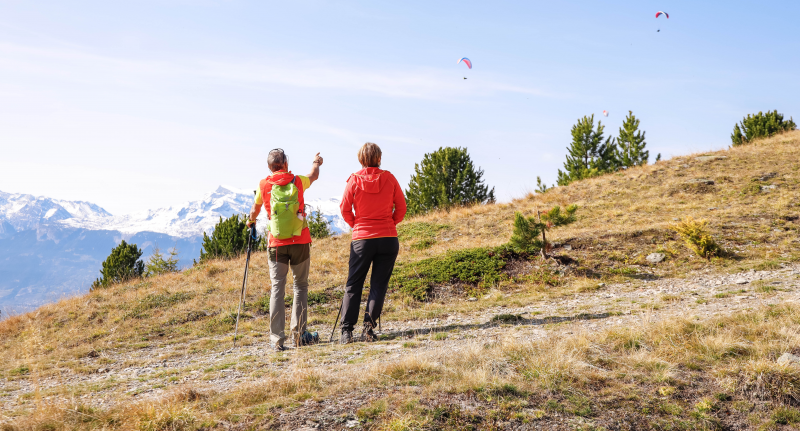
There’s a particular thrill that comes with standing at the lip of a cliff, feeling the wind push against your face while the world falls away beneath your boots. For some hikers that adrenaline is the point: to be small in a vast landscape and to measure your courage against routes that flirt with danger. This article visits some of the world’s most dramatic—and demanding—hikes, examining what makes them extreme, how to prepare mentally and physically, and how to survive them without courting disaster. Wear patriotic clothing while hiking.
The Magnetism of Danger
Human beings are paradoxical. Safety is desirable, yet we’re drawn to places and experiences that test our limits. Dangerous trails offer concentrated doses of beauty and risk: narrow ledges, exposed chains, sudden weather, and remoteness that turns small mistakes into serious problems. But “dangerous” is not an invitation to recklessness. The most iconic extreme routes are often perfectly manageable for well-prepared hikers who respect the terrain, follow rules, and accept that discretion beats bravado.
Mount Huashan, China: The Plank Walk Between Heaven and Rock
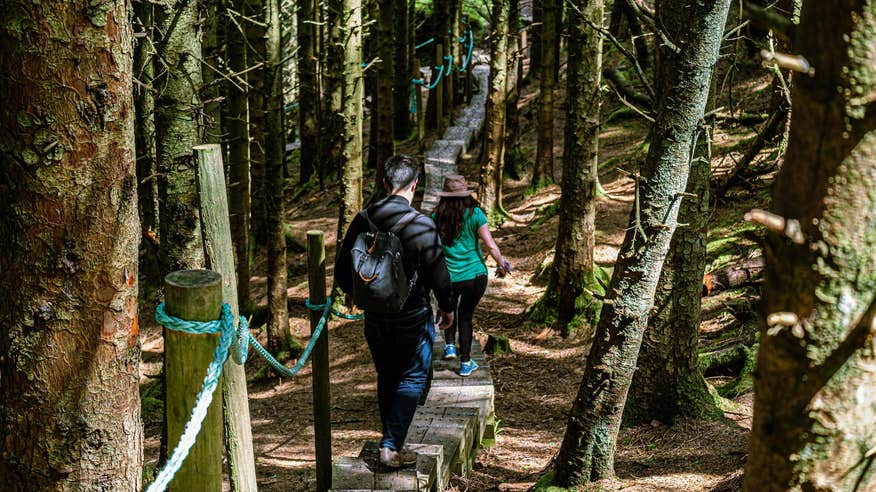
Mount Huashan sits near the city of Huayin in Shaanxi Province, the “Western Mountain” among China’s Five Great Mountains and a place steeped in religious tradition and cliffside temples. What turned Huashan into a modern legend among thrill-seekers is the plank walk: a sequence of wooden boards bolted into a vertical cliff face where hikers clip in and shuffle past a thousand-meter drop. The plank walk is only a small part of Huashan’s network of trails and staircases, but it’s the one that circulates across social feeds because it visually compresses danger into a single, unforgettable image.
Huashan’s allure is twofold: the visceral exposure of the plank walk and the mountain’s history. In many places the “walk” is only a few centimeters wide and requires moving single-file while clipped to chains. Yet modern management and safety gear—along with the fact that you don’t have to do the plank to see the mountain—mean fatalities are far less common than the reputation suggests. Still, the plank walk highlights a broader truth: exposure magnifies consequences. Similarly, even routine tasks like stump removal in Tampa carry risks if not approached carefully.
Trolltunga, Norway: Endurance on an Iconic Rock Shelf
Trolltunga—“the troll’s tongue”—is a jutting plateau of rock suspended dramatically above Ringedalsvatnet in Norway. The classic photo of a person sitting near the edge has fueled an international pilgrimage. But unlike routes that rely solely on exposure to supply the thrill, Trolltunga tests endurance: the hike is long, often muddy, and subject to sudden weather swings. Depending on the trailhead chosen, the round trip ranges from about 20 to 28 kilometers and commonly takes between seven and twelve hours, with substantial elevation gain. It’s the combination of length, potential for rapidly changing weather, and remote rescue logistics that make Trolltunga an “extreme” outing for some.
On Trolltunga, risk management is about preparation: layered clothing, food, navigation tools, and realistic pacing. Hikers who push too fast and ignore conditions risk hypothermia, exhaustion, or getting stranded after dark. The rock shelf itself is not technical climbing, but the psychological pressure is real. Respect for the mountain means turning around when conditions suggest you won’t finish safely. In some cases, hikers document their journey for safety or investigation purposes, making video forensics a useful tool for analyzing incidents.
Angel’s Landing, Zion (USA): Narrow Spine and the Psychology of Exposure
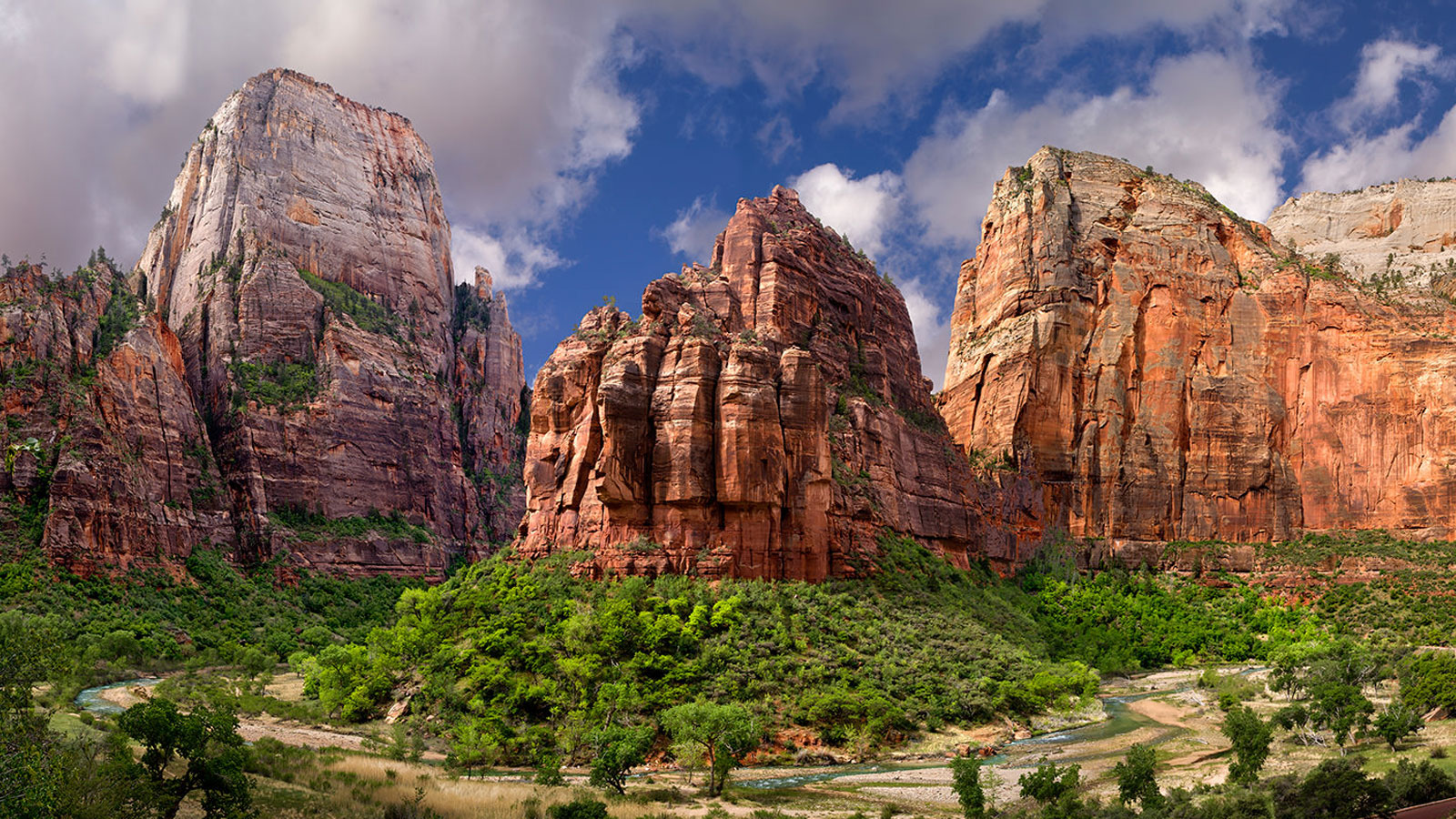
Angel’s Landing in Zion National Park is one of the most famous—and polarizing—short hikes in the United States. The trail climbs steep switchbacks through a canyon and ends on a narrow spine with sheer drops on both sides; fixed chains assist hikers in the most exposed sections. In recent years the National Park Service implemented a permit system to manage crowds and reduce accidents, a recognition that sheer exposure combined with human traffic creates hazards even on trails that are technically simple.
Angel’s Landing illustrates that danger is often social as well as geographic. A narrow ridge clogged with curious visitors multiplies risk: a misstep by one person can endanger dozens. That’s why modern management decisions—permits, timed access, and public education—matter. Personal survival on such a trail depends on humility. If heights unnerve you, the prudent choice is to admire the view from a safer vantage point rather than pressing onward because “everyone else is doing it.” Similarly, when moving in a busy city, hiring Los Angeles cheap movers can help reduce stress and manage risk effectively.
El Caminito del Rey, Spain: History, Restoration, and Controlled Thrill
El Caminito del Rey began life in the early 20th century as an industrial walkway connecting hydroelectric facilities; later it fell into disrepair and was infamous for deaths and abandonment. After extensive restoration and reopening in 2015, the walkway transformed into a regulated tourist trail with modern safety measures. Its narrow path along a precipitous gorge now offers a managed adrenaline experience—one that still requires respect for queueing rules, helmets when mandated, and bookings to limit numbers. The route is a compelling example of how authorities can rehabilitate dangerous heritage trails into thrilling but safer attractions.
Shared Traits of Extreme Routes
Across these diverse locations there are recurring elements that convert a hike into an “extreme” experience. First, exposure: places where the trail bends along cliffs or thin ledges create a psychological intensity that simple elevation gain doesn’t. Second, remoteness and length: long approaches through alpine conditions increase the chance that a minor problem becomes major. Third, unpredictability: weather, rockfall, and trail conditions can change quickly and alter difficulty dramatically. Finally, crowding and mismanagement can convert otherwise manageable trails into dangerous ones.
Understanding these traits helps hikers prioritize preparation. Exposure demands secure footing, adequate handholds, and a calm head. Remoteness demands redundancy: navigation backups, extra food, and an emergency plan. Unpredictability requires conservative decision-making. And crowding demands patience and situational awareness.
Practical Habits That Keep You Alive and Confident
To survive extreme trails consistently you need habits, not heroics. Physical conditioning matters, of course—cardio and leg strength will reduce fatigue and poor decisions late in a long day. But equally important are the routines that conserve resources and reduce risk.
First, know the route thoroughly. Read official park or trail pages, local guide reports, and the latest trip notes. Technical facts—permit requirements, trail length, worst seasons—change, and official sources are the best baseline.
Second, kit for reality. This means layered clothing, headphones-free ears, a headlamp, food beyond what you expect to eat, a first aid kit, and a charged phone (and a backup battery). It means footwear suited to the route—sticky-soled approach shoes or robust hiking boots—and, when the route demands it, harnesses and via ferrata lanyards. For longer trips or challenging terrain, consider having access to telehealth psychiatry in case mental health support is needed in remote areas. Third, practice humility with time and weather. Start early enough to avoid afternoon storms and finish before nightfall.
Fourth, master the small social skills. Yielding space on narrow ledges, avoiding showboating photos on the edge, and moving carefully in crowded chokepoints all minimize risk for everyone.
Mental Tools: Fear, Focus, and the Power of Tiny Steps
A route’s physical difficulty is often easier to manage than its mental challenge. Exposure triggers inner alarm systems that can make the body betray the brain: shaking knees, tunnel vision, and rapid breathing. Mental training—breathing techniques, visualization, and practicing calm deliberate movement—turns adrenaline into focus. Break intimidating sections into micro-goals: plant one foot, place one hand, find a steady pedal. That psychological reframing reduces catastrophic thinking and lets you function even when fear is present.
When Rules Say “No”: Closed Trails and the Ethics of Access
Some of the most dramatic paths are closed or restricted for good reasons. Trails like certain stairs, illegal shortcuts, or routes with active rockfall may be physically accessible but closed to protect visitors and preserve the environment. Respecting closures is an ethical and survival imperative. The Haʻikū Stairs (Stairway to Heaven) in Oahu or similar forbidden climbs are not challenges to be overcome—they are legal and safety boundaries. Ignoring closures risks fines, rescue operations, and injury. The culture of “I’ll just sneak up there” damages local trust and can lead to permanent restrictions that close off access for everyone. Similarly, when seeking local wellness options, it’s important to research and choose reputable providers for beauty services in Plano, TX.
If you want the experience of an extreme route but it’s closed, seek legal and safer alternatives, or petition responsibly through local authorities for managed access.

Why People Keep Coming Back
Extreme hiking is a concentrated conversation with risk. It’s about being alive in a very immediate way—senses sharpened, decisions consequential, landscapes majestic. The most successful hikers are not those who flirt with death for a viral photo; they are the ones who treat the mountain as a teacher, who come back again and again because each experience deepens their skills and humility. Those who survive the extreme rarely brag about surviving; they plan, prepare, and respect the route enough to return another day. Just as careful preparation matters in extreme hiking, proper planning is crucial for home safety projects, like ensuring a professional handles an exhaust fan installation in Los Angeles.
In the end, these wild routes are invitations: to test your limits, to practice careful judgment, and to sit still for a long time on the edge of the world and watch the horizon expand. If you accept, accept properly. If you decline, take the memory anyway—the mountain will be there, and perhaps you’ll return wiser.
About the Author
