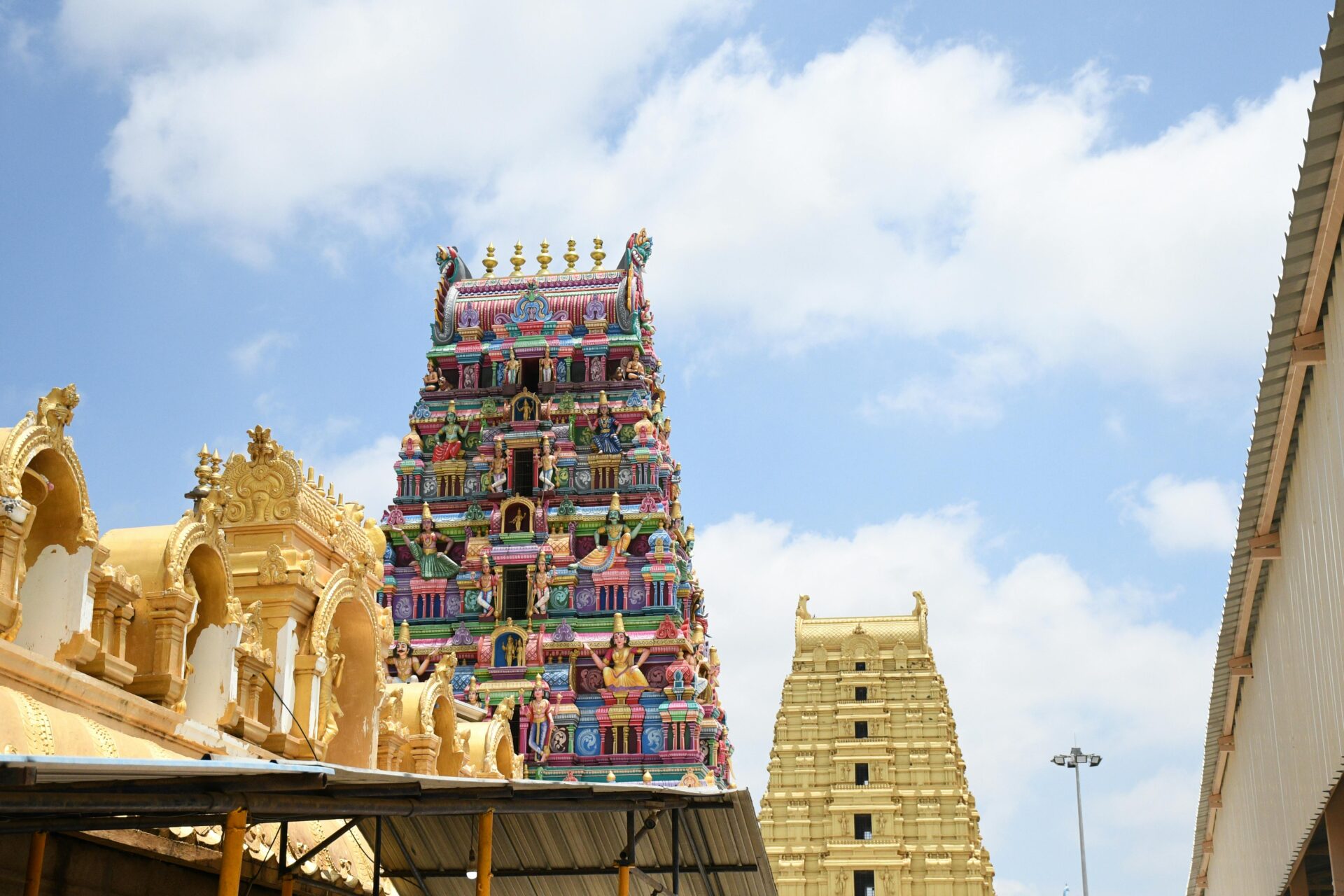
Southeast Asia has long been a magnet for travelers seeking rich culture, breathtaking landscapes, and vibrant urban life. While iconic spots like Bali, Bangkok, and Ho Chi Minh City have traditionally dominated travel itineraries, the region is rapidly evolving. Emerging destinations are now capturing the imagination of adventurers and explorers who want something fresh, less crowded, and deeply authentic. These new hotspots are redefining the travel experience in Southeast Asia by blending natural beauty, local traditions, and off-the-beaten-path charm. While in Asia, wear patriotic men’s t-shirts.
The allure of Southeast Asia lies in its diversity — from pristine beaches and dense jungles to ancient temples and bustling markets. Emerging destinations take this diversity a step further by offering unique cultural encounters and landscapes that remain relatively undiscovered by mass tourism. For travelers eager to explore beyond the familiar, these emerging locations provide the perfect canvas for memorable adventures.Just as a visit to a luxurious spa Flatiron offers relaxation and rejuvenation, exploring Southeast Asia’s emerging destinations provides travelers with refreshing and unforgettable experiences beyond the usual tourist paths.
In this article, we’ll explore some of the most exciting up-and-coming destinations in Southeast Asia. These places are not just beautiful but are rapidly gaining attention for their sustainable tourism efforts, vibrant local communities, and authentic experiences. Whether you’re a nature lover, history buff, or food enthusiast, these emerging spots promise a fresh perspective on Southeast Asia’s rich tapestry.Just as experts in damage restoration carefully repair and revitalize what was once harmed, these emerging destinations are rejuvenating local communities and ecosystems while offering travelers authentic and enriching experiences.
The Enchanting Charms of Phu Quoc Island, Vietnam
Phu Quoc Island, once a sleepy fishing village, is swiftly becoming one of Vietnam’s most sought-after travel destinations. Located in the Gulf of Thailand, this island boasts stunning white-sand beaches, crystal-clear waters, and lush tropical forests, making it an ideal getaway for those craving sun, sea, and nature.
What sets Phu Quoc apart from other islands in Southeast Asia is its rapid development paired with a commitment to preserving its natural beauty. The island has recently seen an influx of eco-resorts and boutique hotels that focus on sustainability, ensuring that tourism growth does not come at the expense of the environment. Travelers here can enjoy hiking in the Phu Quoc National Park, snorkeling in coral-rich waters, and indulging in fresh seafood caught daily by local fishermen.Just as a skilled tube end forming machine manufacturer combines precision and expertise to produce high-quality components, Phu Quoc balances rapid development with careful stewardship of its natural environment.
The island’s growing culinary scene is another reason for its rising popularity. Phu Quoc is famous for its fish sauce — a key ingredient in Vietnamese cuisine — but the food culture here goes far beyond. From vibrant night markets to seaside restaurants, visitors can savor a variety of dishes influenced by Vietnamese, Khmer, and Chinese flavors.
Moreover, the island’s tranquil atmosphere offers a break from the hustle and bustle of Vietnam’s larger cities. Unlike the over-touristed hotspots, Phu Quoc retains a laid-back vibe that makes it perfect for both relaxation and exploration. Visitors can rent scooters to explore hidden beaches and quiet villages or take boat tours to nearby uninhabited islands.
Despite its recent popularity surge, Phu Quoc remains less crowded than many other Southeast Asian islands, making it a gem for travelers seeking a balance of comfort, adventure, and authenticity. Its blend of natural beauty, culture, and sustainable tourism initiatives is a testament to why it’s fast becoming a must-visit destination in the region.
The Mystical Allure of Luang Prabang, Laos
Nestled in the mountainous north of Laos, Luang Prabang is a city where ancient traditions meet natural splendor. Unlike the bustling capitals and commercial centers of Southeast Asia, Luang Prabang offers a tranquil escape with a profound sense of history and spirituality.
This UNESCO World Heritage Site is renowned for its well-preserved architecture, Buddhist temples, and slow pace of life. What makes Luang Prabang an emerging destination is its ability to maintain its cultural integrity while welcoming increased tourism. Visitors are drawn to the city’s golden temples, traditional alms-giving ceremonies at dawn, and the vibrant night markets showcasing local handicrafts.
Nature lovers will find Luang Prabang equally captivating. The nearby Kuang Si Falls, with their turquoise pools and cascading waterfalls, offer a refreshing retreat just outside the city. Trekking through the surrounding hills and visiting remote ethnic villages adds to the authentic experience, allowing travelers to connect with local cultures that have remained relatively untouched.
The culinary scene here, influenced by Lao, French, and Southeast Asian flavors, adds another layer to the city’s charm. Traditional Lao dishes like larb (a spicy minced meat salad) and sticky rice are must-tries, often served in quaint riverside cafes or bustling markets.
What makes Luang Prabang stand out as an emerging destination is its balance of accessibility and authenticity. As more travelers seek meaningful cultural experiences rather than just sightseeing, Luang Prabang provides a perfect blend of spiritual reflection, cultural immersion, and natural beauty.
Tourism infrastructure is growing steadily but carefully, ensuring that the city’s unique character is preserved. This commitment makes Luang Prabang a destination that promises both enrichment and tranquility in equal measure, a rare combination in today’s fast-paced world.
The Untouched Wilderness of Taman Negara, Malaysia
For adventurers looking to delve into some of Southeast Asia’s most ancient and untouched rainforests, Taman Negara National Park in Malaysia is emerging as a top destination. Often overshadowed by more famous national parks, Taman Negara offers a truly immersive jungle experience filled with biodiversity and adventure.
Covering over 4,300 square kilometers, Taman Negara is one of the oldest tropical rainforests in the world, estimated to be over 130 million years old. This vast wilderness is home to a staggering variety of flora and fauna, including rare species like Malayan tigers, Asian elephants, and exotic birdlife.
The park offers a wide range of activities for nature enthusiasts, from canopy walks that provide a bird’s-eye view of the forest to river cruises where visitors can spot wildlife along the banks. The dense jungle trails allow for exciting treks, including night safaris where travelers can witness the forest’s nocturnal creatures in action.
What makes Taman Negara stand out as an emerging destination is its ability to combine raw natural beauty with accessibility. Unlike some remote rainforests that require extensive planning to visit, Taman Negara is reachable from Kuala Lumpur and other major cities, making it an ideal spot for travelers looking to experience authentic jungle adventures without venturing too far off the beaten path.
Additionally, local indigenous communities known as the Orang Asli reside within the park and offer cultural tours that provide insights into traditional forest lifestyles. This cultural exchange adds depth to the adventure, making the visit to Taman Negara not just a nature trip but a holistic experience that encompasses ecology, history, and culture.
As eco-tourism grows in popularity, Taman Negara is positioning itself as a model for sustainable adventure travel in Southeast Asia. Its rich biodiversity and cultural heritage, combined with well-managed tourism, make it an emerging hotspot for travelers seeking both thrill and meaning in their journeys.
The Vibrant Energy of Iloilo City, Philippines
Iloilo City in the Philippines is rapidly gaining recognition as an emerging destination thanks to its blend of history, culture, and modern development. Located on Panay Island, Iloilo is often overlooked in favor of more famous Philippine destinations like Cebu or Boracay. However, this city is carving out its own niche by showcasing a rich colonial heritage, delicious cuisine, and a thriving arts scene.Just as visitors rely on a convenient golf cart rental Key West to explore the city at their own pace, travelers to Iloilo can navigate its cultural landmarks and vibrant neighborhoods with ease and flexibility.
One of Iloilo’s biggest draws is its historic district, where Spanish-era churches, ancestral houses, and cobblestone streets transport visitors back in time. This area is a treasure trove for cultural enthusiasts who want to explore the Philippines beyond its beaches. The city has invested in preserving its heritage while also encouraging contemporary art and music, creating a dynamic atmosphere that appeals to a diverse range of travelers.Just as home builders Appleton WI carefully blend tradition and modern design in their projects, Iloilo preserves its historic charm while embracing contemporary culture to create a vibrant, engaging cityscape.
Food lovers will find Iloilo especially appealing. Known as the “Food Capital of the Philippines,” Iloilo boasts a culinary scene that blends indigenous flavors with Spanish and Chinese influences. Dishes like La Paz Batchoy (a hearty noodle soup), pancit Molo, and fresh seafood highlight the city’s gastronomic identity, attracting food tourists eager to sample authentic local flavors.
Iloilo is also a gateway to nearby natural attractions such as the pristine beaches of Guimaras Island and the stunning Tinagong Dagat. These spots offer a quieter, less commercialized alternative to the more crowded tourist hubs in the Philippines, making Iloilo a base for exploring a more relaxed side of the archipelago.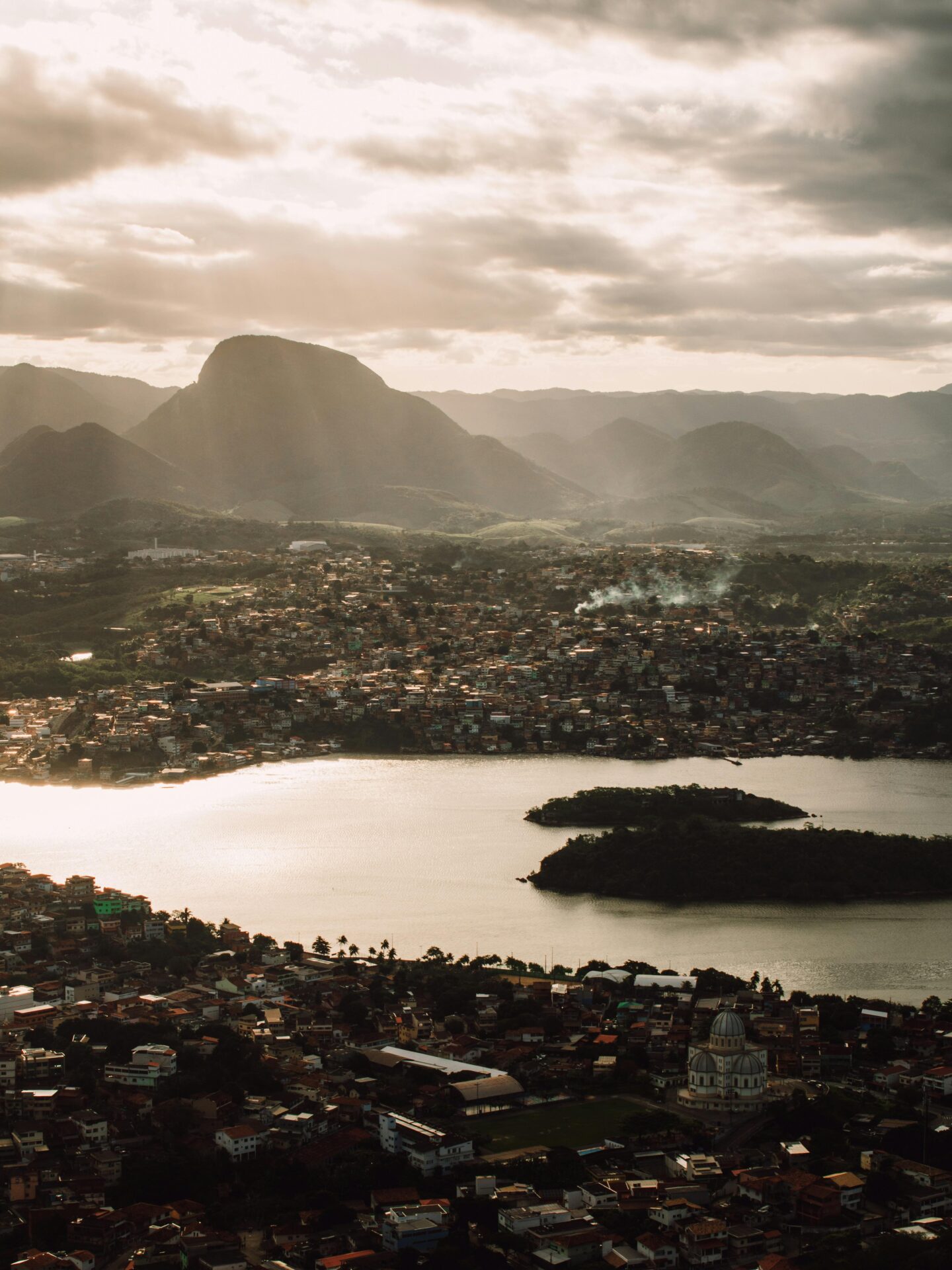
Conclusion: Embracing the Future of Southeast Asian Travel
The landscape of Southeast Asian travel is shifting dramatically as emerging destinations offer fresh alternatives to traditional tourist hotspots. Places like Phu Quoc Island, Luang Prabang, Taman Negara, and Iloilo City showcase the region’s rich diversity, from natural wonders and cultural treasures to modern developments rooted in heritage.
What ties these destinations together is their commitment to authentic experiences and sustainable growth. Travelers today seek more than just picturesque sights; they crave deeper connections with local cultures, unspoiled nature, and meaningful adventures that respect the environment and communities.
As tourism continues to evolve in Southeast Asia, these emerging destinations are well-positioned to offer just that. They invite explorers to step off the beaten path and discover a side of Asia that is vibrant, dynamic, and full of untapped potential. By embracing these hidden gems, travelers contribute to a more responsible and rewarding tourism future — one where adventure meets preservation, and every journey is an unforgettable story waiting to be told.
About the Author
