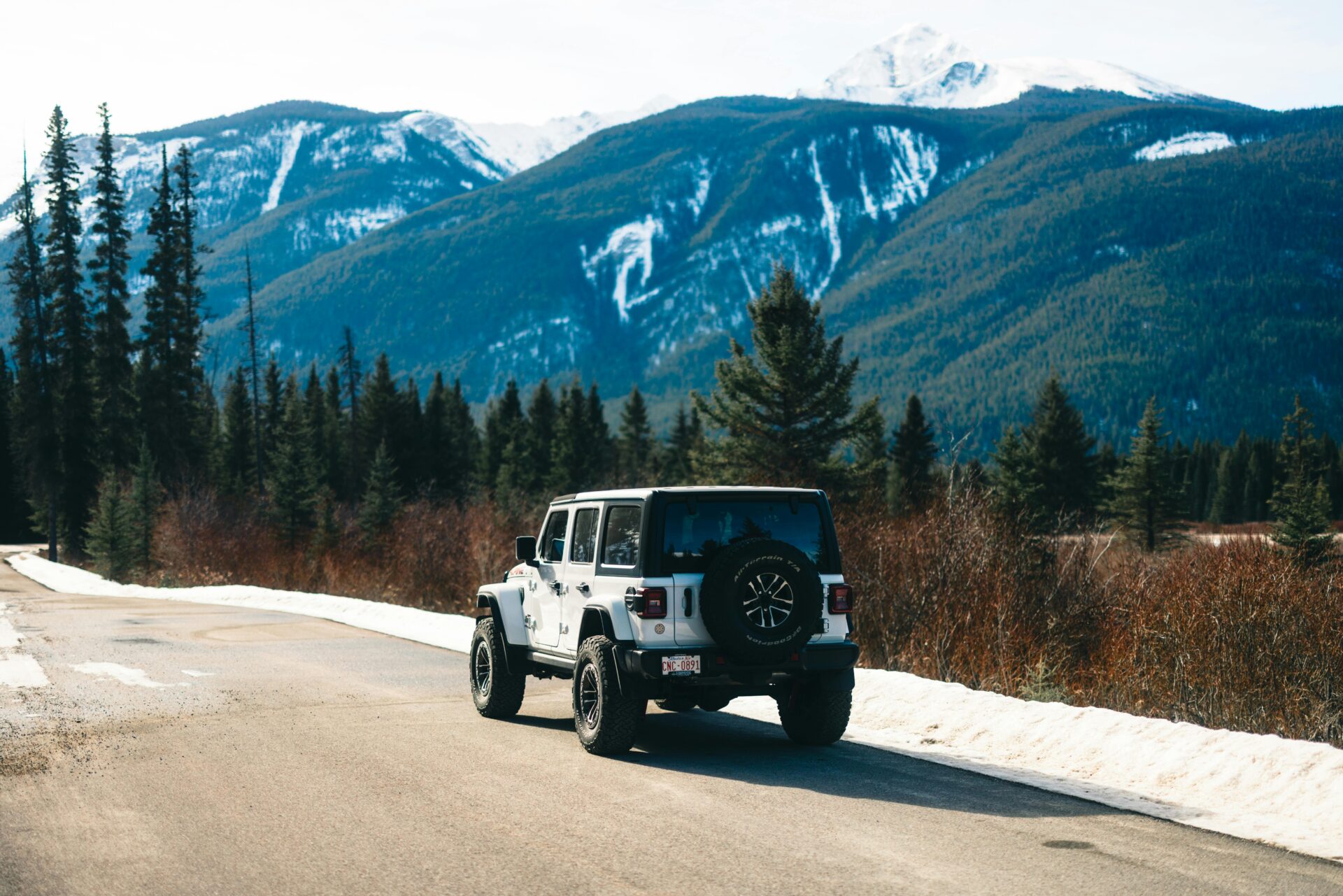
In the world of outdoor gear, design has long been dominated by the language of performance: lighter, faster, stronger. Consumers are inundated with marketing messages that prioritize cutting-edge materials, ultralight construction, waterproof ratings, breathability, and aesthetic appeal. These features undoubtedly have their place in outdoor pursuits, especially for athletes and professionals who operate at the limits of human endurance. But somewhere along the way, an equally critical attribute has faded from mainstream conversations—gear longevity. The ability of outdoor products to endure years of regular use in rugged environments is quietly being sidelined in favor of short-term performance gains.
Gear longevity is the unsung metric that deserves more attention. While outdoor enthusiasts may spend hundreds or even thousands of dollars on backpacks, tents, jackets, and footwear, few are trained to scrutinize how long these items are truly built to last. Durability is often assumed to be a byproduct of quality, but in practice, many modern products prioritize features that compromise structural integrity over time. The quest to shave grams off a pack or make a jacket more compressible often results in fabrics and components that degrade faster with repeated use.
Manufacturers have not ignored durability entirely, but many have relegated it to the background of product design, particularly in a competitive market driven by fast product cycles and seasonal releases. There’s pressure to offer new models every year, introducing updated designs and materials that excite consumers but sometimes abandon time-tested construction methods. Ironically, even as outdoor participation grows and sustainability becomes a buzzword, gear longevity remains underemphasized—when in reality, longevity is one of the most environmentally responsible design choices that can be made.
Consumers, too, are part of this dynamic. The demand for sleek, high-tech products often outweighs practical concerns about repairability or the lifespan of the item. Many buyers focus on immediate performance specs and aesthetics, overlooking whether a jacket will hold up after years of abrasion against rock faces, exposure to UV, or repeated washings. This trend can even be seen in niche markets like veteran apparel, where style and innovation sometimes take precedence over long-term durability. This focus on the new and the now contributes to a throwaway culture, even within communities that are deeply invested in nature and conservation.
It’s time to challenge the industry to prioritize gear longevity as not just a desirable trait, but a core design principle. By doing so, outdoor brands and consumers alike can shift toward a more sustainable and responsible relationship with the equipment they depend on.
The Cost of Disposable Design in the Outdoors
There is a growing disconnect between the outdoor industry’s values and its products. Many brands promote sustainability, environmental stewardship, and a connection to nature, yet they continue to produce gear with lifespans that are disappointingly short. This contradiction is especially striking when considering that some of the most environmentally impactful aspects of outdoor gear occur during manufacturing and disposal. A jacket that lasts three seasons before delaminating or losing its water resistance is significantly more harmful, in the long run, than one that remains functional for a decade.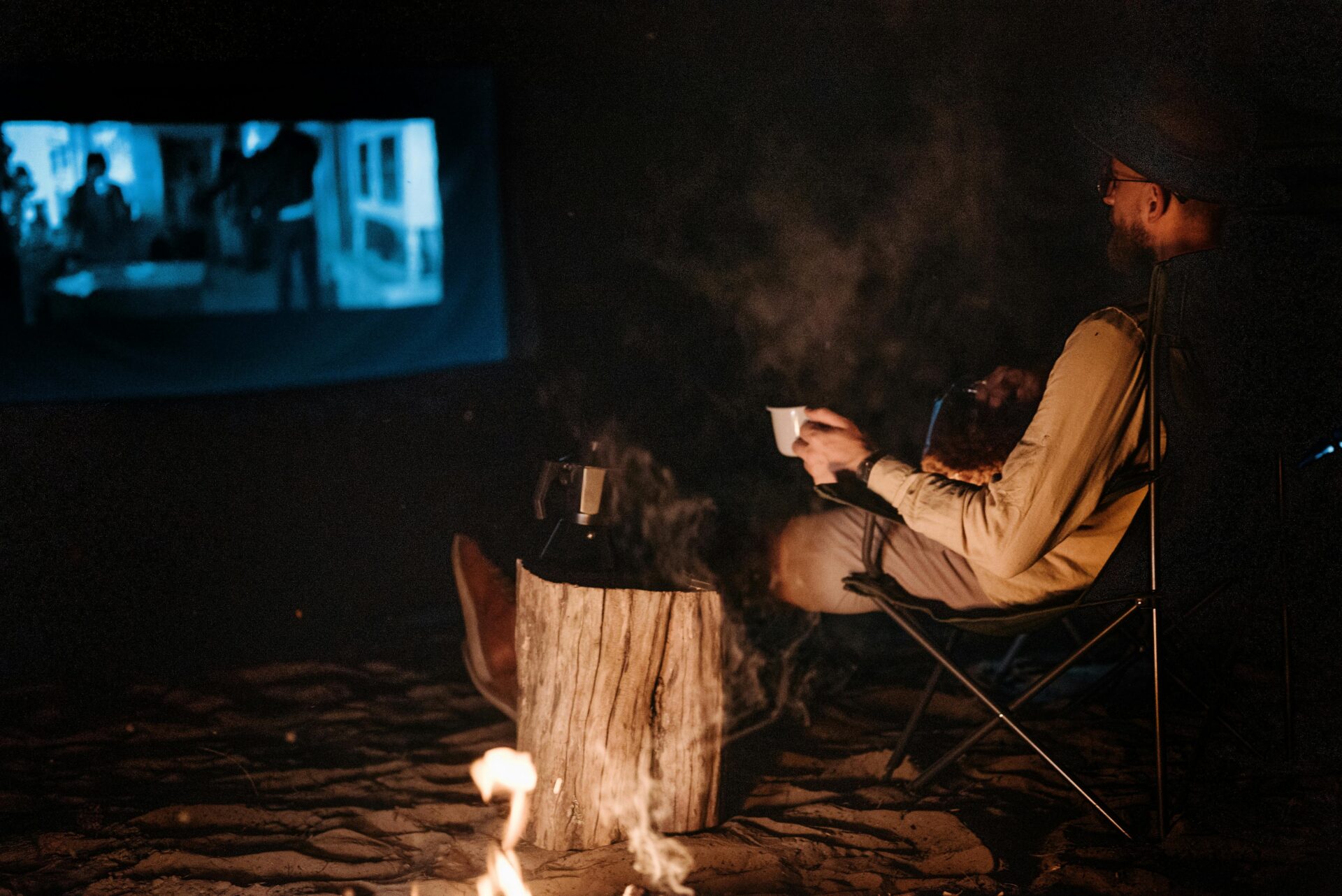
Disposable design is not always intentional, but it is an outcome of modern business practices. Companies are incentivized to keep consumers buying. If a tent begins to fail after four years, that customer is likely to return to the same brand for a replacement—particularly if the experience was good while it lasted. This pattern creates a subtle feedback loop where longevity becomes a liability rather than a goal. Planned obsolescence, whether deliberate or passive, undermines the trust and long-term loyalty that could be fostered through more durable products.
The materials chosen for many products are often the limiting factor. Ultralight nylon, minimalist zippers, welded seams, and proprietary coatings may boost performance in controlled conditions, but they often degrade rapidly in real-world use. Sunlight breaks down fabrics. Dirt and grit wear on zippers. Seam taping fails with repeated folding and moisture exposure. These are not rare events—they are expected aspects of outdoor use, and yet gear is often not built to withstand them over extended periods. In recent research, some innovative approaches, such as stem cells for autism, are being explored to address complex challenges in material and human resilience.
Warranties and repair programs do exist, and some brands genuinely stand behind their products. But many warranties are limited, difficult to access, or only applicable under specific conditions. Repair programs may require customers to ship gear across the country, or they may not be economically viable for lower-priced products. When a $250 jacket costs $150 to repair, the incentive leans toward replacement rather than restoration.
This culture of disposable design also trickles down to user behavior. When consumers expect gear to fail within a few years, they treat it accordingly. Maintenance and care become secondary concerns. Patching a hole or resealing seams seems unnecessary when the assumption is that a product is temporary. Just as enthusiasts invest in maintaining their vehicles through services like paint correction in Carlsbad, CA, outdoor gear also benefits from attentive care. This mindset erodes a tradition of gear stewardship that once defined the outdoor community—when hikers, climbers, and paddlers invested in equipment for the long haul, maintaining and repairing it as part of the journey.
Addressing this issue means reassessing what we value in our gear. It means looking beyond glossy specs and reevaluating the true cost of a product—not just in dollars, but in waste, emissions, and lost opportunities for deeper connection with our tools and the landscapes they help us explore.
Designing for the Long Haul: What Longevity Looks Like
Designing for gear longevity requires more than just using durable materials. It demands a holistic approach that considers the entire lifecycle of a product—from materials sourcing and construction to user behavior and repairability. True gear longevity emerges at the intersection of thoughtful design, robust manufacturing, and a culture that values maintenance over replacement. 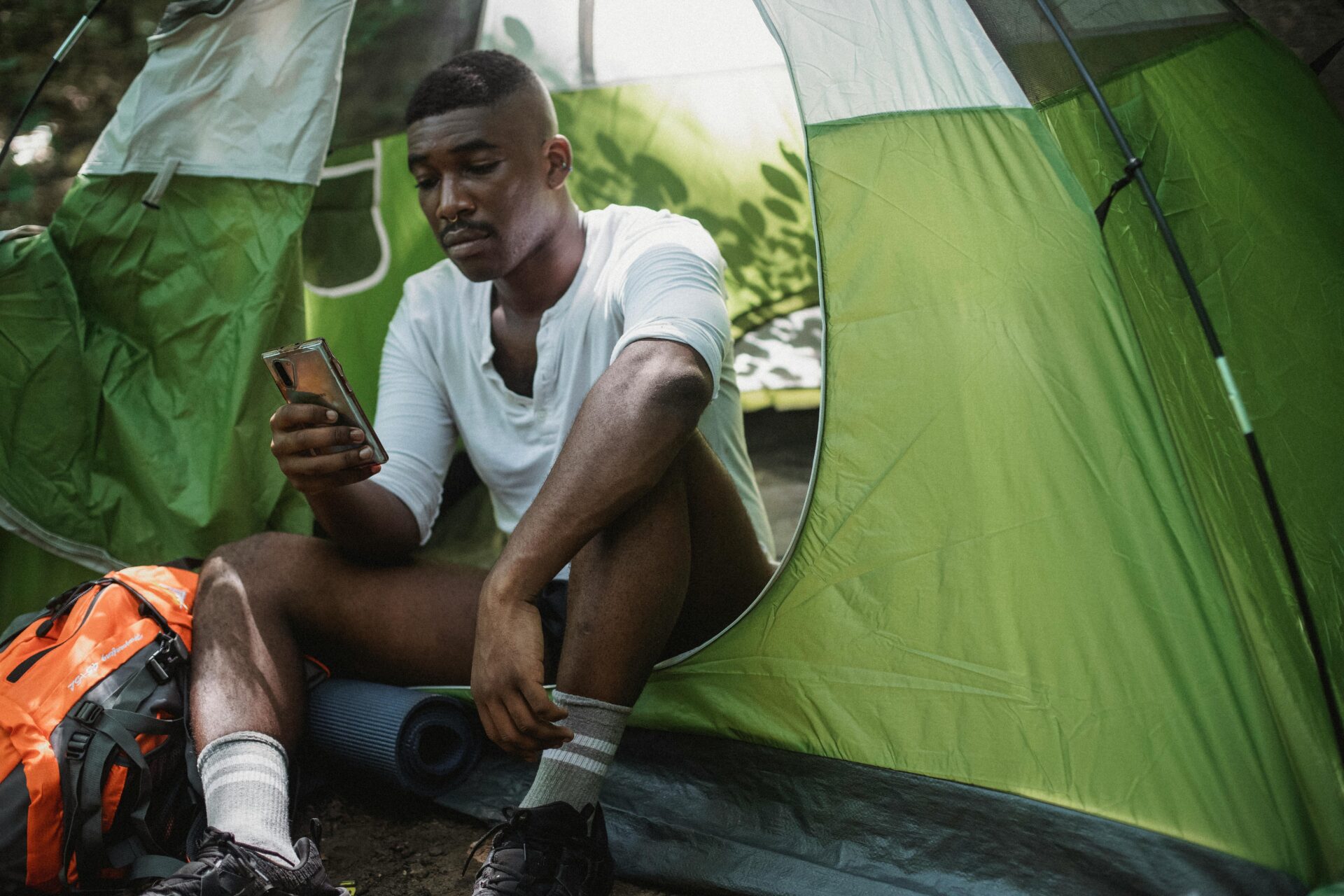 For businesses relying on modern infrastructure, partnering with experts in electrical services in Orlando can help ensure that equipment operates efficiently and lasts longer.
Material selection is a critical foundation. Fabrics like high-denier Cordura, ripstop nylon, and heavyweight canvas have proven track records in resisting abrasion and wear. Leather components, while heavier, offer unmatched durability when properly maintained. In footwear, full-grain leather uppers and Vibram soles often outlast synthetic counterparts. These choices may add weight or reduce packability, but they pay dividends in longevity. The challenge lies in balancing these attributes with user demands for comfort, lightness, and performance—a trade-off that designers must navigate with care.
Construction methods matter just as much. Reinforced stitching, bar tacking at stress points, double-layered panels in high-wear areas—these are hallmarks of gear built for the long term. Seam placement, zipper selection, and hardware quality also contribute. Metal zippers, though heavier, typically outlast plastic ones. Snap closures and buckles should be selected not just for ease of use but for resilience under repeated stress. Designers must anticipate how gear will be used and abused in the field and engineer accordingly with failure modes in mind.
Modularity and repairability are often overlooked in modern gear. Items designed for disassembly or part replacement can extend their useful life dramatically. A backpack with a replaceable hip belt or a tent with interchangeable pole segments empowers users to fix rather than discard. Similarly, jackets with zip-out liners, replaceable zippers, or standardized snaps become more than single-purpose items—they become adaptable platforms that evolve with the user. This principle applies to cowboy accessories as well, where modular or replaceable components can make gear last for years.
Clear user guidance is also essential. Gear care instructions should not be buried in fine print or left to user forums. Manufacturers who value longevity should educate customers on how to clean, store, and maintain their products. UV protectants, seam sealants, water repellency treatments, and proper washing techniques can extend gear life significantly. Encouraging a culture of care and stewardship complements the design process by empowering users to be part of the longevity equation.
Finally, longevity must be measured and valued as a core design metric. Brands frequently test for waterproofness, breathability, or tensile strength, but seldom publish data on how long products are expected to last under typical usage. Including estimated service life in product descriptions would help consumers make informed choices. Even better, brands could create product lines specifically engineered for multi-decade performance, appealing to a growing segment of conscious consumers.
Conclusion: Building a Culture That Values What Lasts
Gear longevity may be the most overlooked yet impactful metric in outdoor product design. In a market driven by trends, innovation, and immediate gratification, it’s easy to forget the quiet power of products that endure. Longevity is not only a measure of durability—it is a reflection of integrity in design, environmental responsibility, and a deeper respect for the user experience.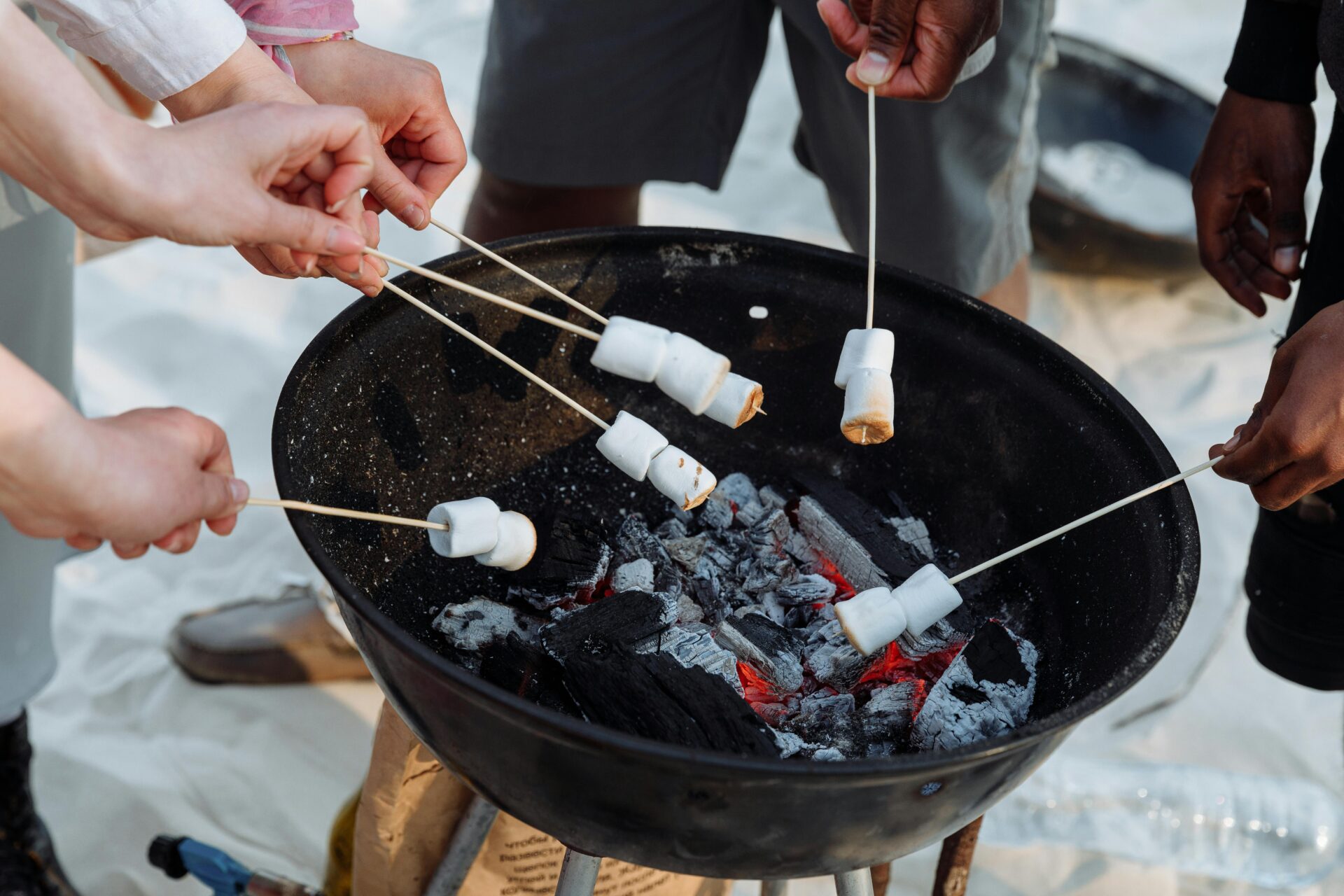
As consumers, we have the power to shift industry priorities. By asking harder questions about durability, demanding better warranties, supporting repairable products, and choosing timeless functionality over seasonal hype, we can encourage brands to return to a design ethos that values the long game.
For manufacturers, the challenge is to reimagine product cycles and profitability in a way that embraces durability. This may mean slower release schedules, higher initial costs, or more investment in after-sale support. But the reward is a loyal customer base, a reduced environmental footprint, and a reputation for excellence that transcends fads.
The future of outdoor gear should not be disposable. It should be dependable. Every stitch, every seam, every snap should carry the weight of intention—the promise that this gear will go with you not just on your next trip, but on many journeys to come.
Gear longevity is more than a feature. It’s a philosophy. It’s time we bring it back to the forefront of outdoor product design.
About the Author
