
The Timeless Allure of the Cross-Continent Journey
There is something profoundly human about the urge to cross boundaries — not just physical borders but also the limits of endurance, imagination, and willpower. Since the earliest days of exploration, from Marco Polo’s trek along the Silk Road to Roald Amundsen’s conquest of the South Pole, adventurers have sought to traverse entire continents, tracing routes that few would dare to follow. These journeys, spanning deserts, jungles, mountain ranges, and frozen tundras, remain the ultimate test of courage and resilience.
In an age dominated by technology and instant gratification, the concept of the cross-continent journey carries a unique mystique. It reminds us that despite our global connectivity, the Earth is still vast, unpredictable, and filled with untamed beauty. The explorers who embark on these expeditions are not only crossing landmasses — they are rediscovering humanity’s primal relationship with the planet.

Crossing the Sands: The Trans-Saharan Odyssey
The Sahara Desert, stretching over 9 million square kilometers, is the world’s largest hot desert — an ocean of sand that spans nearly the width of Africa. To traverse it from north to south or east to west is to challenge both nature and oneself. The desert is a living paradox: breathtaking in its beauty yet merciless in its extremes.
For centuries, the Trans-Saharan routes connected the Mediterranean world with sub-Saharan Africa. Caravans of camels laden with salt, gold, and spices moved between cities like Timbuktu, Marrakech, and Tripoli. These journeys were as much spiritual as commercial, linking different civilizations and cultures across the dunes.
Modern explorers who attempt the Trans-Saharan crossing face equally daunting challenges. Temperatures can soar above 50°C by day and plummet below freezing at night. Sandstorms can appear without warning, erasing tracks and landmarks in minutes. Yet the reward for perseverance is a rare kind of serenity — the realization that in this vast emptiness, one becomes part of something greater than oneself.
Some adventurers undertake this journey by 4×4 vehicles or motorbikes, while purists attempt it by camel or on foot, retracing the ancient caravan routes. The silence of the desert, punctuated only by the wind, becomes both a test and a meditation. For those who endure it, the Sahara offers not just survival, but transcendence.
Trekking Through the Heart of Asia: From the Himalayas to the Steppes
If the Sahara is a crucible of heat, the heart of Asia presents a different challenge — altitude, isolation, and the raw power of the Earth itself. Crossing the continent from the Indian subcontinent through the Himalayas and into Central Asia is a journey through the roof of the world.
The Himalayas, with peaks that pierce the sky, have long symbolized both the boundaries of nations and the limits of human endurance. To traverse these mountains is to confront nature in its most majestic form. The journey might begin in the humid plains of Nepal or India and rise to the icy passes of Tibet, where oxygen is scarce and every breath feels like a victory.
Beyond the Himalayas lie the steppes and deserts of Mongolia and Kazakhstan — vast, windswept expanses that evoke the spirit of nomadic freedom. These are lands where the horizon seems infinite and the stars blaze brighter than anywhere else on Earth. Crossing this terrain on horseback, as Genghis Khan’s warriors once did, offers a visceral connection to the ancient rhythms of life.
This route, stretching thousands of kilometers, is not merely a geographical crossing but a journey through layers of civilization — from Buddhist monasteries clinging to cliffs to remote yurts where time seems to stand still. The transition from snow-capped peaks to rolling grasslands captures the essence of the continent’s diversity, revealing how geography shapes not only the landscape but also the soul of its people.

The Pan-American Dream: From Alaska to Patagonia
Perhaps no modern route captures the imagination quite like the Pan-American Highway — an unbroken line (save for the dense jungles of the Darién Gap) stretching from Prudhoe Bay in Alaska to Ushuaia, Argentina, the world’s southernmost city. Spanning over 30,000 kilometers, this journey connects every conceivable climate and ecosystem, from the Arctic tundra to the tropical rainforest, from Andean peaks to coastal deserts.
The Pan-American journey is the ultimate road trip — a traverse of two continents and 14 countries, demanding patience, resourcefulness, and a love of discovery. Travelers encounter towering glaciers in Alaska, vibrant cultures in Mexico and Central America, the lush biodiversity of the Amazon, and the rugged magnificence of the Andes.
The European Traverse: From the Atlantic to the Urals
Europe, though geographically smaller than many continents, offers one of the most historically and culturally rich cross-continent journeys on Earth. Traveling from Portugal’s Atlantic coast to the Ural Mountains in Russia is to journey through time itself — a living museum of civilizations.
The route might begin in Lisbon, where explorers once set sail to chart the edges of the world, and move eastward through Spain and France, past vineyards, castles, and cathedrals that have witnessed centuries of transformation. Crossing the Alps into Central Europe brings a shift in character — from Mediterranean warmth to the precision of German and Swiss landscapes.
Farther east, the vast plains of Poland, Ukraine, and Russia open up, leading toward the Ural Mountains — the symbolic boundary between Europe and Asia. This transition from the familiar to the frontier embodies the European spirit: an interplay of innovation, tradition, and exploration.
Frozen Frontiers: Across the Arctic Circle
Few landscapes test human endurance like the Arctic. Spanning multiple continents — North America, Europe, and Asia — the Arctic Circle offers one of the most extreme and awe-inspiring journeys imaginable. From Alaska and northern Canada to Greenland, Norway, and Siberia, this is a realm where ice reigns supreme.
Crossing the Arctic is not just a feat of navigation but a confrontation with the raw elements of survival. The terrain is constantly shifting — glaciers calve into the sea, ice floes drift unpredictably, and temperatures plunge to deadly levels. Yet for those who venture into this frozen world, the rewards are beyond measure: endless horizons bathed in the eerie glow of the midnight sun, the dance of the aurora borealis across a crystalline sky, and the humbling silence of a land untouched by time.
The modern Arctic explorer must adapt not only to physical extremes but also to the realities of a changing climate. Melting ice has opened new routes — such as the fabled Northwest Passage, once an explorer’s dream — but also poses moral and environmental questions. To journey here is to witness firsthand the fragility of our planet’s ecosystems.
The African Traverse: From Cape Town to Cairo
To cross Africa from south to north — from the Cape of Good Hope to the banks of the Nile — is to experience a continent of staggering contrasts. The journey covers over 10,000 kilometers, taking explorers through deserts, jungles, savannas, and mountain ranges, as well as some of the world’s most vibrant cultural landscapes.
The route from Cape Town to Cairo, popularized in the early 20th century as a dream of imperial ambition, has evolved into one of the greatest overland adventures in modern travel. It takes one from the rugged coastline of South Africa through the arid beauty of Namibia, the wildlife-rich plains of East Africa, and the dramatic highlands of Ethiopia before finally reaching the timeless deserts of Egypt.
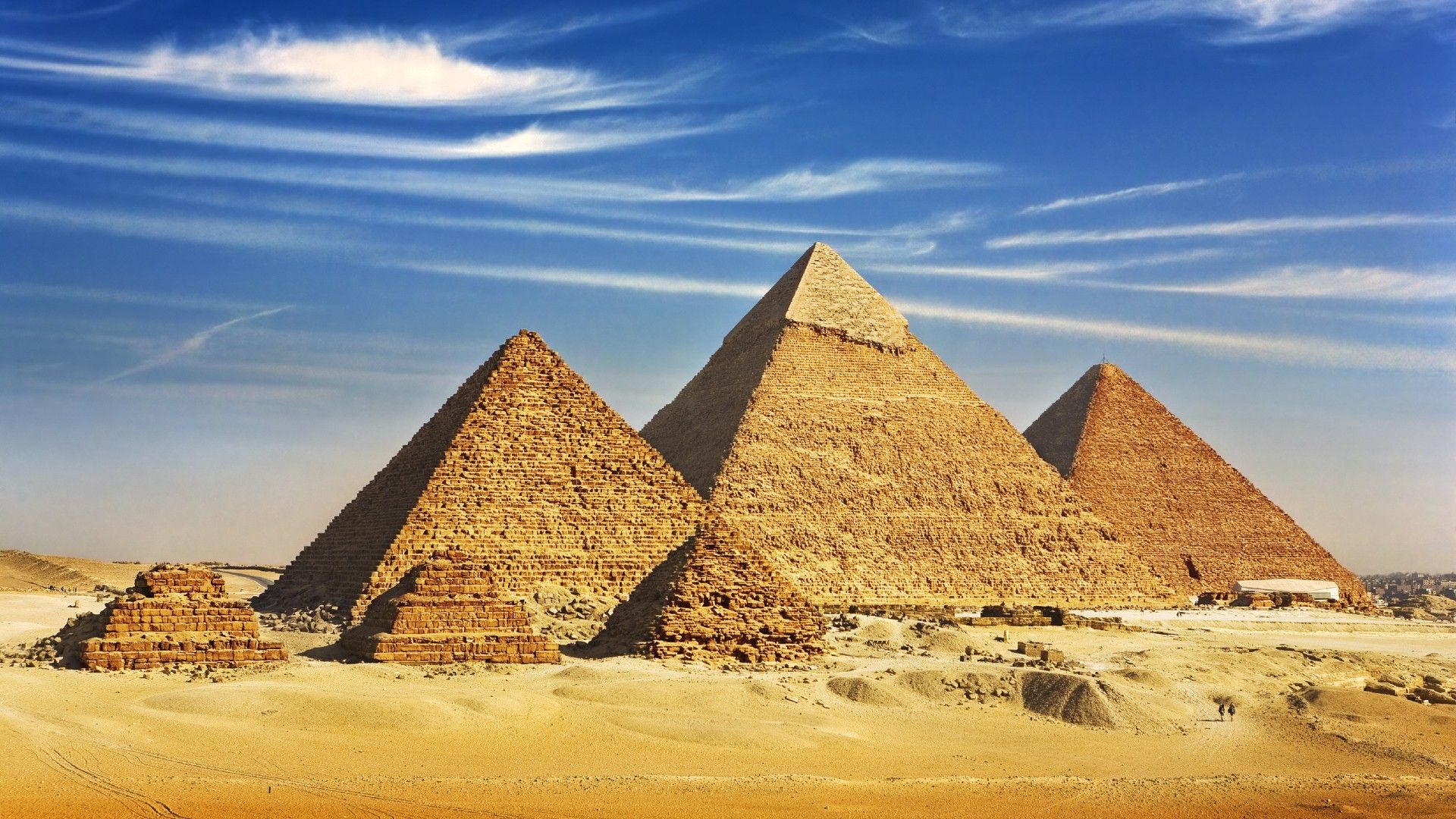
Each region offers its own rhythm and challenges. In Namibia, the red dunes of the Namib Desert stretch like waves frozen in time. In Tanzania, the Serengeti unfolds in endless plains teeming with life. In Ethiopia, ancient monasteries cling to cliffs, and in Sudan, forgotten pyramids rise from the sand. By the time the traveler stands before the Pyramids of Giza, they have traced the pulse of a continent — its struggles, its triumphs, and its enduring spirit.
Why We Still Explore
What drives people to risk everything in pursuit of a line drawn across a map? The answer lies deep within the human spirit. Exploration, at its core, is not about conquest or competition — it is about connection. It is the recognition that to understand the world, we must first move through it, feel its winds, endure its trials, and embrace its wonders.
Cross-continent journeys remind us that the planet is not a collection of isolated regions but a continuous whole. Deserts give way to forests, mountains to plains, ice to ocean. Every border crossed reveals new ways of living, thinking, and surviving.
The Journey Without End
Epic cross-continent journeys are not only physical feats; they are metaphors for life itself. Every explorer who sets out on such an odyssey discovers that the greatest distance to be crossed is not between one coast and another, but between comfort and courage, between the known and the unknown.
The world’s vastness is both a challenge and a gift. Whether crossing the Sahara’s golden dunes, navigating the frozen Arctic, or traversing the Pan-American Highway, each explorer becomes part of a lineage that stretches back to humanity’s earliest migrations.
About the Author
