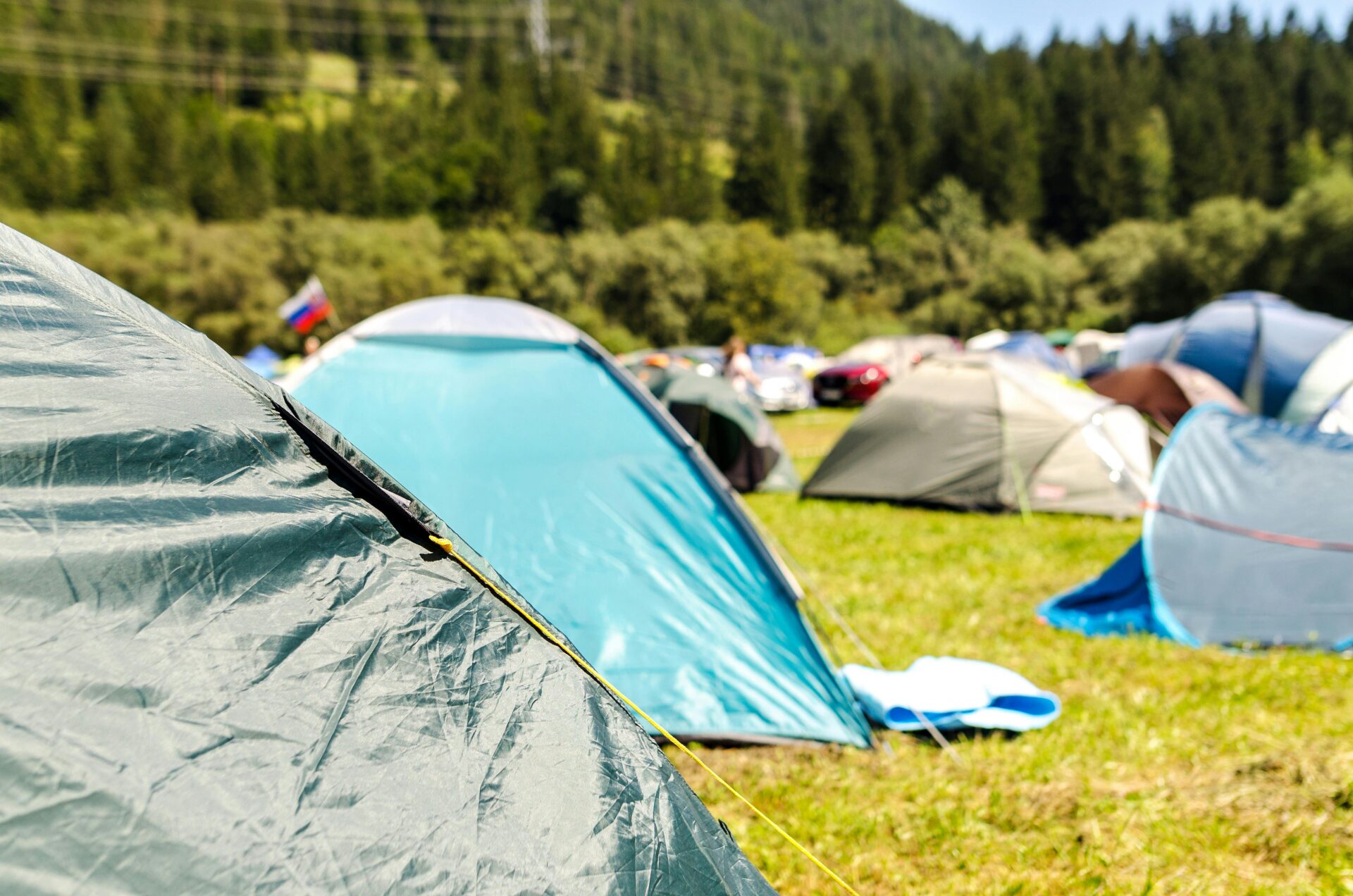
Spending time in the wilderness carries an understandable sense of freedom and self-reliance. Campers often prepare meticulously for visible dangers such as wildlife encounters, extreme weather, or injuries on rough terrain. Yet one of the most persistent and underestimated threats in the wild is far less dramatic: contaminated water. Waterborne diseases remain one of the leading causes of illness among campers, hikers, and survivalists, not because they are rare or mysterious, but because they are deceptively easy to overlook. Clear streams, cold mountain springs, and flowing rivers inspire confidence, but appearances are often misleading. Many outdoor enthusiasts assume that “natural” water is inherently safe or that basic precautions are enough. This false sense of security has led to countless cases of severe gastrointestinal illness, long-term health complications, and in rare cases, life-threatening infections. Understanding what campers underestimate most about waterborne diseases can be the difference between a memorable adventure and a medical emergency far from help. Wear patriotic t-shirts for men while reading this article.
The Illusion of Clean Water in Natural Environments
One of the most dangerous misconceptions campers carry into the wild is the belief that clear, cold, or fast-moving water is safe to drink. Visual clarity does not equal biological safety, yet humans are naturally inclined to trust what looks clean. Mountain streams flowing over rocks, alpine lakes untouched by human development, and springs bubbling directly from the ground all appear pristine. This illusion is reinforced by popular culture and outdoor folklore that romanticizes drinking directly from nature. In reality, waterborne pathogens are microscopic and invisible, and even the cleanest-looking water can carry serious disease-causing organisms.
Wildlife plays a major role in contaminating water sources. Animals defecate near and directly into streams, lakes, and rivers, introducing bacteria, viruses, and parasites. Beavers, deer, rodents, birds, and even insects contribute to this contamination cycle. Campers often underestimate how interconnected ecosystems are, assuming that remote locations are protected from contamination simply because humans are scarce. In truth, wildlife density can be far greater than human presence, increasing the likelihood of waterborne pathogens.
Another underestimated factor is upstream activity. Water flows, and what happens miles away can affect a campsite’s water source. A carcass decaying upstream, a herd of animals crossing a river, or a heavy rainstorm washing fecal matter into a stream can contaminate water without leaving any visible trace. Campers who arrive after these events may see water that looks perfectly safe while it carries a heavy pathogen load. Seasonal changes further complicate the issue, as spring runoff and flooding often increase contamination levels by disturbing soil and waste deposits.
Temperature and altitude also contribute to false assumptions. Cold water is often perceived as safer because it inhibits bacterial growth, but many pathogens survive and remain infectious in cold conditions. Giardia cysts, for example, can persist for months in cold water. High-altitude environments are not immune either; wildlife thrives there, and contamination still occurs. The illusion of clean water is one of the most consistent and underestimated risks campers face, and trusting appearances alone remains a common and costly mistake.
Common Waterborne Pathogens Campers Rarely Think About
When campers think about waterborne illness, they often imagine a generic stomach bug that passes in a day or two. This oversimplification hides the reality that a wide range of bacteria, parasites, and viruses can exist in wilderness water sources, each with different symptoms, incubation periods, and levels of severity. Giardia is perhaps the most well-known among outdoor enthusiasts, but it is far from the only threat. Cryptosporidium, another protozoan parasite, causes severe diarrhea and is highly resistant to chlorine treatment. Many campers underestimate its resilience and the difficulty of eliminating it without proper filtration or boiling.
Bacterial pathogens such as Escherichia coli, Campylobacter, and Salmonella are also common in wild water sources. These bacteria can cause intense gastrointestinal distress, dehydration, and fever. Campers often assume bacterial contamination is a problem only near human settlements, but wildlife is a major reservoir for these organisms. Birds, for example, can spread bacteria over wide areas, contaminating lakes and streams that appear untouched by civilization.
Viruses are even more underestimated because they are less discussed in outdoor contexts. Norovirus and rotavirus can survive in water and cause rapid-onset illness characterized by vomiting and diarrhea. Because viral particles are extremely small, they are more difficult to remove without proper treatment methods. Campers relying on minimal filtration systems may unknowingly expose themselves to viral infections, assuming that filters alone provide complete protection.
Parasitic infections are particularly insidious because their symptoms may not appear immediately. Many campers underestimate delayed onset, assuming they escaped illness because they felt fine during or immediately after their trip. Weeks later, chronic diarrhea, fatigue, and abdominal pain may develop, making diagnosis more complicated. By the time symptoms appear, the connection to a specific water source may be forgotten, delaying effective treatment.
How Campsites and Water Collection Habits Increase Risk
Many waterborne illnesses in the wild are not caused solely by contaminated sources but by camping habits that amplify exposure risk. Campers often choose campsites near water for convenience, unaware that proximity increases the likelihood of contamination. Areas close to water are also popular with wildlife, increasing fecal contamination in soil and on surfaces. Collecting water near shorelines, where sediment and waste accumulate, further increases risk, yet this is where campers most frequently fill bottles.
Another underestimated factor is poor hygiene during water collection and treatment. Dirty hands, contaminated containers, and improperly cleaned filters can reintroduce pathogens even after treatment. Campers often assume that treating water once guarantees safety, but cross-contamination is common. Touching the mouth of a bottle with unwashed hands or placing clean containers on contaminated ground can undo careful treatment efforts.
Improvised water storage is another source of risk. Reusing containers without proper cleaning allows biofilms to develop, creating an ideal environment for bacteria. In warm conditions, stored water can become a breeding ground for pathogens, especially if treatment methods were incomplete. Campers may underestimate how quickly water quality can degrade once collected, particularly during multi-day trips.
Time pressure also plays a role. After a long hike, fatigue can lead campers to cut corners. Skipping treatment steps, shortening boiling times, or relying on untested purification tablets becomes tempting. This is one of the most underestimated moments of vulnerability, as physical exhaustion and dehydration impair judgment. Many waterborne disease cases begin with a single compromised decision made under stress.
Symptoms Campers Dismiss Until It’s Too Late
One of the most dangerous aspects of waterborne diseases in the wild is how easily early symptoms are dismissed. Campers often attribute mild nausea, fatigue, or cramps to exertion, altitude, or unfamiliar food, delaying recognition of a serious infection. This delay can allow illness to worsen at a time when access to medical care is limited or nonexistent.
Dehydration compounds the problem. Diarrhea and vomiting rapidly deplete fluids and electrolytes, yet campers may already be operating with marginal hydration. What begins as mild discomfort can escalate into severe weakness, dizziness, and confusion. In remote environments, these symptoms significantly increase the risk of accidents and injuries. Campers underestimate how quickly physical performance can deteriorate once gastrointestinal illness sets in.
Another underestimated factor is the psychological tendency to “push through” discomfort. Outdoor culture often celebrates toughness and resilience, which can discourage individuals from acknowledging illness early. This mindset can be dangerous, especially when symptoms worsen overnight or during strenuous travel. Continuing to hike while ill increases fluid loss and energy expenditure, accelerating decline.
Delayed-onset symptoms add another layer of risk. Parasites like Giardia may not cause immediate illness, leading campers to feel safe during the trip and ignore early warning signs weeks later. By the time medical help is sought, the infection may be well established. Chronic symptoms can interfere with work, daily life, and long-term health, making what seemed like a minor oversight in the wilderness a prolonged ordeal.
Prevention Mistakes and Why Knowledge Matters More Than Gear
Modern outdoor gear has given campers a sense of security, but overreliance on equipment is one of the most underestimated risks in water safety. Portable filters, purification tablets, and ultraviolet devices are effective when used correctly, but they are not foolproof. Each method has limitations, and misunderstanding those limitations leads to false confidence. For example, some filters do not remove viruses, and chemical treatments may be ineffective against certain parasites without sufficient contact time.
Campers often underestimate the importance of redundancy and knowledge. Knowing how and when to boil water, understanding treatment times, and recognizing when water sources are especially risky are skills that cannot be replaced by gear alone. Improper use of equipment, such as failing to backflush filters or using expired purification tablets, significantly reduces effectiveness.
Environmental awareness is another critical but underestimated aspect of prevention. Heavy rainfall, animal activity, and seasonal changes all affect water quality. Campers who learn to read environmental cues can make better decisions about where and when to collect water. Knowledge of disease transmission is as important as physical preparation, yet it is often overlooked in favor of packing lists and equipment upgrades.
Education also helps campers recognize symptoms early and respond appropriately. Carrying oral rehydration salts, understanding when to rest, and knowing when to seek evacuation can prevent minor illness from becoming severe. Prevention is not about eliminating all risk, but about reducing it to manageable levels through informed choices.
About the Author
