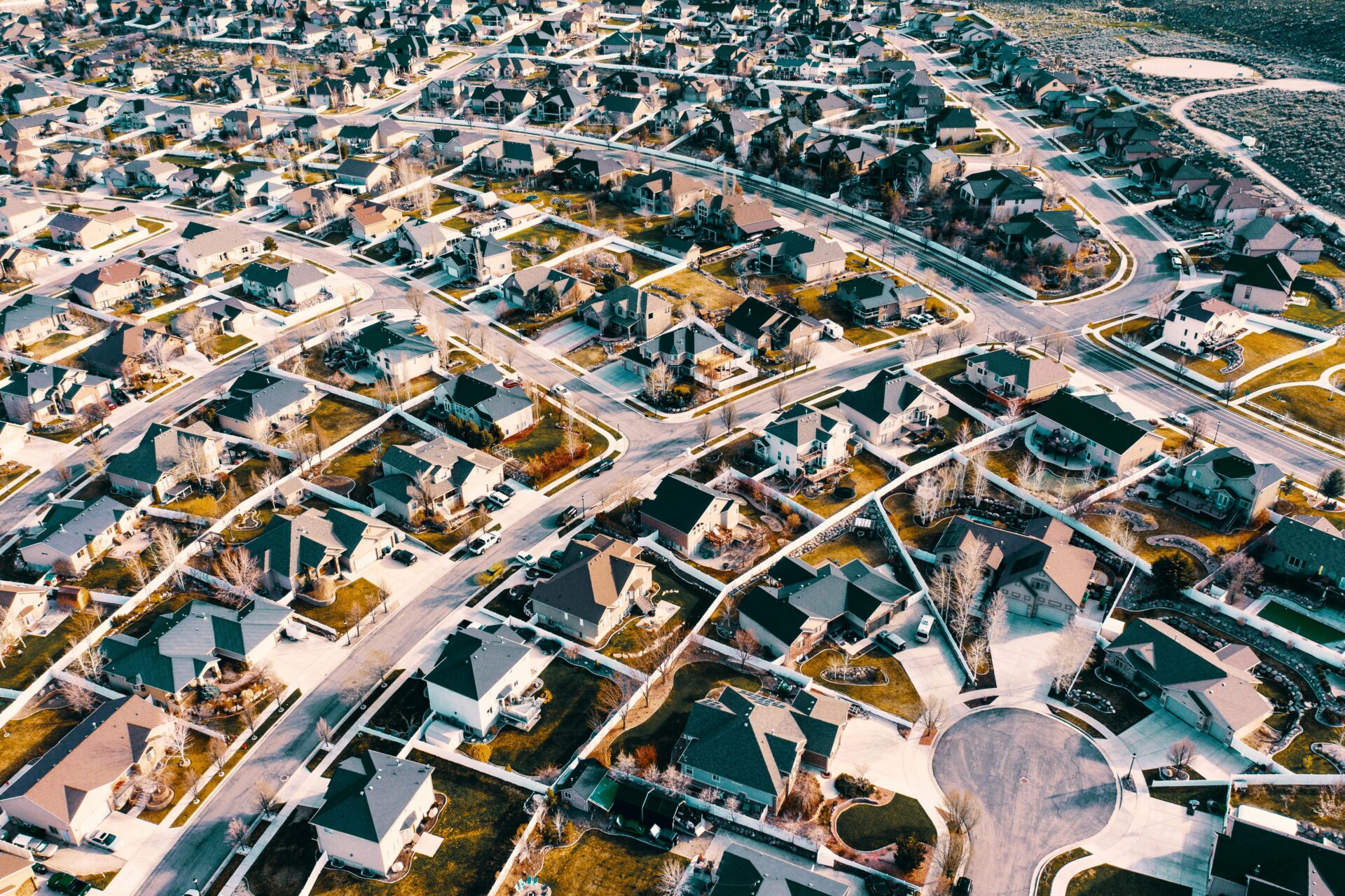
For much of modern history, status was something you could measure with a tape. Bigger houses, higher ceilings, extra rooms that served no real purpose other than to exist—square footage was shorthand for success. The sprawling suburban home, the penthouse with unused guest rooms, the mansion with wings you rarely entered all signaled arrival. But something subtle has shifted. Without a grand announcement or cultural manifesto, technology has quietly replaced square footage as one of the clearest markers of status.
Today, prestige is less about how much space you own and more about how intelligently that space works, how seamlessly your life integrates with digital systems, and how invisible the labor of comfort has become. The modern status symbol hums softly in the background: automated, optimized, and often unseen. This transformation did not happen overnight, and it did not happen loudly. It crept in through convenience, efficiency, and the growing realization that excess space is less impressive than mastery over time, attention, and friction.
From Bigger Homes to Smarter Ones
The cultural obsession with large homes emerged alongside industrial prosperity. More space meant more proof that you had escaped scarcity. Rooms dedicated to single activities—formal dining rooms, sitting rooms, guest bedrooms—were visual evidence that you could afford inefficiency. Wasted space was the point. It showed that you had more resources than you needed.
But over the past two decades, the meaning of space has shifted. Urbanization, rising real estate prices, and lifestyle changes have made sheer size less attainable and, crucially, less desirable. In its place, intelligence has become the new luxury. A smaller home that anticipates your needs now signals more status than a cavernous one that does not.
Smart thermostats that learn your schedule, lighting systems that adjust automatically throughout the day, and security setups that monitor your home from anywhere in the world redefine what “premium living” means. These technologies compress comfort into fewer square feet. A 1,200-square-foot apartment that feels effortless can outperform a 4,000-square-foot house that feels clumsy and outdated.
This shift reflects a deeper change in values. Time has become more precious than space. Status is increasingly tied to how little cognitive effort daily life requires. When your home locks itself, heats itself, orders supplies, and alerts you only when something truly matters, it demonstrates a level of control that raw size cannot.
Importantly, this transformation is quiet because it does not announce itself to passersby. A mansion is visible from the street. A deeply integrated smart home is not. The prestige lies in private experience rather than public display. You feel it more than others see it, which aligns with a modern status mindset that values personal optimization over outward spectacle.
Devices as Lifestyle Signals Rather Than Tools
Technology’s role as a status symbol is most obvious when devices stop being mere tools and start becoming extensions of identity. Early consumer tech was clunky and utilitarian. It did not signify taste; it signified necessity. Today’s devices, by contrast, are designed as lifestyle objects. Their materials, interfaces, ecosystems, and even brand philosophies communicate social positioning.
Owning the latest phone, laptop, or wearable is not just about functionality. It signals fluency. It suggests that you are current, informed, and capable of navigating rapid change. Just as owning a large home once implied stability and success, owning and effortlessly using advanced technology implies relevance and competence.
What makes this shift powerful is how invisible it can be. A person working from a modest apartment but equipped with seamless cloud systems, high-end audio setups, and adaptive workspaces often operates with more efficiency and autonomy than someone in a massive office filled with outdated infrastructure. Status emerges from capability rather than footprint.
This extends beyond personal devices into ecosystems. Homes, cars, and even clothing are increasingly judged by how well they integrate with digital systems. A vehicle that updates itself overnight, optimizes routes automatically, and syncs with your calendar communicates more prestige than sheer size or engine displacement. Integration has become the new extravagance.
Unlike square footage, which is static, technology-based status is dynamic. It requires upkeep, learning, and adaptation. This creates a subtle but important distinction: modern status favors those who can continuously engage with complexity. It is no longer enough to acquire; you must also understand. This makes technological status feel earned rather than inherited, even when wealth still plays a role.
Minimalism, Optimization, and the Decline of Visible Excess
One of the most telling signs that technology has replaced square footage as a status symbol is the rise of minimalism among the affluent. Historically, minimalism was associated with necessity or ideology. Now, it often signals privilege. Having less visible stuff suggests that systems are working behind the scenes.
Technology enables this by removing the need for physical accumulation. Streaming replaces shelves of media. Cloud storage replaces filing cabinets. Smart appliances replace multiple single-use tools. The result is a cleaner, quieter environment that feels intentional rather than sparse.
In this context, excess space can even feel gauche. Large, empty rooms without technological refinement may signal stagnation rather than success. By contrast, compact spaces optimized through automation, modular furniture, and digital control systems suggest mastery. Every square foot is purposeful, and nothing exists without reason.
This shift aligns with broader cultural anxieties about sustainability and waste. Status today is increasingly tied to efficiency rather than abundance. A technologically optimized lifestyle communicates that you consume intelligently, not excessively. That message carries moral weight, something square footage alone can no longer provide.
Importantly, this does not mean luxury has disappeared. It has simply changed form. Luxury now hides in materials you touch frequently, in latency you never notice, in systems that fail gracefully rather than catastrophically. These are subtle pleasures, not obvious ones, which makes them more exclusive. Not everyone recognizes them, and that is precisely the point.
The decline of visible excess also reflects a shift toward internal validation. When comfort, convenience, and control are delivered quietly through technology, there is less need for external confirmation. Status becomes something you experience rather than something you display.
Work, Mobility, and the Collapse of Location-Based Prestige
Square footage once mattered because work and status were tied to physical location. Offices, corner suites, and proximity to power centers were tangible markers of success. Technology has dismantled that structure. Remote work, digital collaboration, and mobile connectivity have decoupled prestige from place.
Today, a person working from a laptop in a small home or shared space can wield enormous influence. Their status comes from reach, output, and adaptability rather than from the size of their environment. High-quality video calls, cloud-based tools, and asynchronous communication platforms flatten hierarchies that once depended on physical presence.
This has profound implications for how status is perceived. A large office or home office no longer guarantees authority. Instead, technological fluency does. Someone who can seamlessly manage teams across time zones, automate workflows, and maintain digital security commands respect regardless of their physical surroundings.
Mobility further reinforces this shift. Lightweight, powerful devices allow people to move freely without sacrificing capability. The ability to work effectively from anywhere has become a prestige marker in itself. It signals autonomy, trust, and relevance in a globalized economy.
As a result, space becomes flexible rather than fixed. Temporary setups, adaptable rooms, and multipurpose environments replace single-use spaces. Technology enables this fluidity, making square footage less critical than connectivity and power access. Status follows the person, not the property.
This collapse of location-based prestige is one of the quietest yet most radical changes technology has introduced. It redefines success as something portable and personal, untethered from walls and addresses.
Why This Shift Feels Invisible but Is Profound
Technology’s rise as a status symbol feels quiet because it lacks spectacle. There are no grand unveilings, no obvious measurements, no single object you can point to and say, “That is it.” Instead, status is embedded in experience. It shows up in how smoothly your day unfolds, how rarely you are interrupted by friction, and how much mental space you retain.
Square footage was easy to understand. Bigger was better. Technology-based status is more complex. It rewards literacy, adaptability, and restraint. It is less about owning the most and more about needing the least. That makes it harder to spot—and harder to fake.
This invisibility also makes the shift more powerful. Because it is not loudly advertised, it reshapes values from the inside out. People begin to prioritize learning over accumulation, systems over symbols, and function over form. Over time, these priorities redefine what success looks like.
Ultimately, technology has not eliminated the desire for status. It has redirected it inward, toward control, efficiency, and autonomy. Square footage once proved that you had arrived. Now, seamless technology proves that you have mastered your environment.
And perhaps that is the clearest sign of all: in a world where space is finite and attention is scarce, the highest status no longer belongs to those who take up the most room—but to those whose lives run quietly, intelligently, and effortlessly in the background.
About the Author
