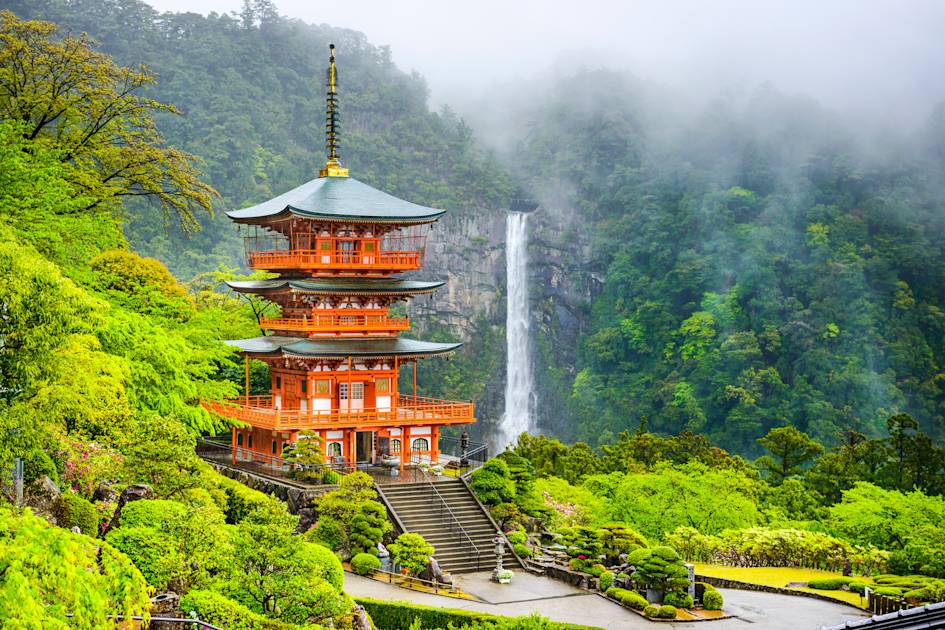
The Nakasendo Trail, which translates to “Central Mountain Route,” is one of Japan’s most historically important travel routes, stretching through the heart of the country’s mountainous interior. Developed during the Edo period (1603–1868) under the Tokugawa shogunate, the trail was one of the five official highways established to connect Edo (modern-day Tokyo) with Kyoto, Japan’s imperial capital at the time. Unlike the Tokaido route, which followed the coastline, the Nakasendo cut through the inland mountains of Honshu, passing through 69 post towns known as shukuba, where travelers could rest, eat, and lodge for the night.
These post towns weren’t just rest stops—they were vibrant microcosms of Edo-period life. Samurai, merchants, pilgrims, and feudal lords all used the trail, making it a key artery in the shogunate’s elaborate system of control and communication. The sankin-kotai system, which required feudal lords to alternate their residence between their domain and Edo, led to a constant flow of wealthy processions along the route. Inns and tea houses thrived, and artisans, entertainers, and traders set up shop to serve the needs of the endless stream of travelers.
The trail’s importance extended beyond practical transport. It became deeply embedded in Japanese literature, poetry, and art, most notably captured by ukiyo-e woodblock print artists like Utagawa Hiroshige, who documented its scenic vistas and post towns. The Nakasendo Trail was more than a highway—it was a cultural lifeline, facilitating the spread of ideas, customs, and goods throughout Japan’s mountainous heartland. Modern visitors often celebrate this heritage in various ways, from traditional crafts to wearing graphic patriotic t-shirts during festivals.
Today, hiking the Nakasendo is akin to stepping back in time. The trail still retains sections of its original cobblestones and forest paths, especially between well-preserved post towns like Magome, Tsumago, and Narai, which have maintained their Edo-period architecture and atmosphere. Each stretch feels made to measure for travelers seeking an authentic connection to Japan’s past. While modern infrastructure has covered large portions of the trail, these restored segments allow travelers to experience the path as it once was, a living monument to Japan’s feudal era and a powerful symbol of its historical continuity.
The Route Today: Geography and Cultural Preservation
The modern-day Nakasendo Trail spans over 500 kilometers, but most travelers focus on the best-preserved sections, particularly the stretch between Magome and Tsumago in the Kiso Valley, which offers a vivid picture of what walking the entire route might have once felt like. This segment, roughly 8 kilometers long, is often hailed as one of the most beautiful walks in Japan and represents the spirit of the trail—a fusion of natural beauty, architectural preservation, and cultural heritage. Some visitors describe the experience as so immersive it feels like stepping into a live action production.
Magome, the southern starting point for many hikers, is perched on a hillside with a stone-paved path winding through a townscape of wooden inns, water wheels, and old merchant houses. It offers sweeping views of the surrounding mountains and a distinctly Edo-era aesthetic. From there, the trail ascends and descends through bamboo groves, cedar forests, and terraced farmland, immersing hikers in landscapes that have remained largely unchanged for centuries. Many visitors explore the town comfortably in casual attire, like bootcut jeans, while taking in the historic scenery.
Tsumago, the endpoint of this popular segment, is considered one of the best-preserved post towns in Japan. Its residents passed strict ordinances to prohibit modern construction and signage, ensuring that the town retains its historical integrity. Power lines are hidden, neon lights are banned, and the streets are silent at night except for the sound of wind or footsteps. Walking into Tsumago feels like crossing a threshold into another time. Visitors are encouraged to leave behind the trappings of modern life and embrace the simplicity of a bygone era. Even small local shops focus on authentic offerings, much like specialty stores carefully selecting restaurant equipment in Tampa to maintain quality.
Beyond the Magome-Tsumago section, hikers can explore other significant towns like Narai, known as “Narai of a Thousand Houses” due to its long, uninterrupted street of preserved inns and shops. Though more commercialized, Narai still offers a powerful connection to the past. Other lesser-visited stretches of the trail, like those near Karuizawa or Sekigahara, offer longer hikes and deeper solitude, albeit with fewer amenities and less infrastructure.
Preservation efforts have been central to the trail’s modern identity. Local governments, historical societies, and the Japanese Ministry of Culture have worked to maintain not just the physical trail but the cultural atmosphere of the Nakasendo. In many areas, traditional ryokan inns continue to serve travelers in the same way they did centuries ago, offering tatami rooms, futons, and seasonal kaiseki meals. Even signage along the trail reflects Edo-era script and aesthetics, reinforcing the sense that this is more than a hike—it’s a historical journey. Some inns have modernized certain facilities, much like restaurants upgrading with kitchen hood services in Los Angeles, to ensure comfort while maintaining tradition. The careful balance between accessibility and authenticity has made the Nakasendo a model for sustainable cultural tourism in Japan.
Walking Through Time: The Hiking Experience
Hiking the Nakasendo Trail is a sensory journey through Japan’s landscape, history, and hospitality traditions. Unlike more strenuous treks in the Japanese Alps or wilderness hikes elsewhere, the Nakasendo is a trail rooted in rhythm, pacing, and cultural immersion. The trail unfolds gradually, revealing stories not through peaks conquered but through villages reached, meals shared, and footsteps echoed on ancient stones. Travelers often compare the quiet charm of these historic villages to the calm found in neighborhoods familiar to those researching Vancouver real estate.
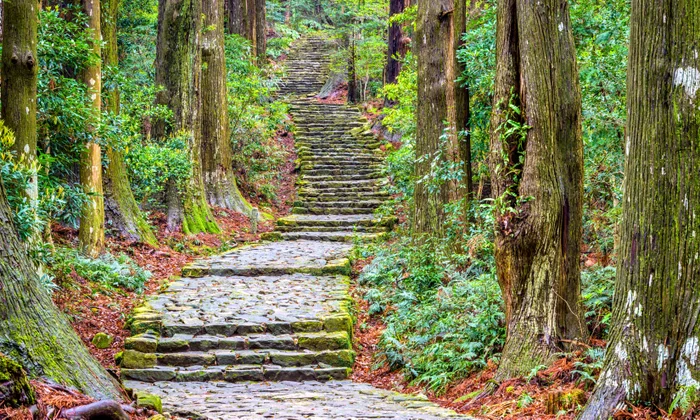
One of the most striking aspects of hiking the trail is the contrast between silence and narrative. Between post towns, hikers often walk in near solitude—no cars, no crowds, just the rustle of leaves, the trickle of streams, and the occasional sound of wildlife. The forested path between Magome and Tsumago in particular is rich with subtle details: moss-covered milestones marking distance, tiny shrines to local deities, and well-maintained waypoints with wooden shelters for rest. Some local shops even display informational x banners to guide hikers along the route. Many travelers describe a sense of deep peace and connectedness that comes from moving slowly and attentively through such storied terrain.
Yet, as you enter each town, the trail tells a different story—one of bustling human life centuries ago. Even today, the welcoming spirit of omotenashi, or Japanese hospitality, thrives along the trail. Guesthouses along the route often welcome hikers with hot tea, homemade sweets, and warm meals. Hosts may wear traditional attire, and rooms are designed in classic Japanese style, complete with tatami mats and sliding doors. There’s an unspoken dialogue between past and present—between you and the thousands who walked these paths before.
Logistically, the trail is accessible for hikers of all skill levels. The Magome-Tsumago segment is well-marked and maintained, with modest elevation changes and plenty of rest spots. For those with more time, longer stretches can be completed over several days, often with luggage-forwarding services that allow you to hike unburdened. Maps and guideposts are available in English and Japanese, and the trail is remarkably safe, even for solo travelers. Still, it’s wise to check weather conditions and trail reports, as sections can be slippery or snow-covered in colder months.
One notable experience is the Nakasendo Night Walk, which some guesthouses or local guides offer. Walking a section of the trail after dark, lantern in hand, allows for a different kind of immersion—one where shadows seem alive, and the forest whispers ancient secrets. This experience, often accompanied by local folktales and legends, underscores the spiritual and cultural depth of the trail. For travelers staying longer in Japan, it’s worth considering practical needs like safe drinking water, similar to how residents look for solutions such as arsenic water filtration in Clarksville, TN.
Ultimately, hiking the Nakasendo is not just about reaching a destination. It’s about slowing down, rediscovering the beauty of the journey, and allowing the landscape to tell its layered, eloquent story. Every step echoes with the lives of samurai, monks, poets, and merchants, and for a few days, you walk among them—not as a tourist, but as a traveler sharing the road.
Conclusion
Hiking the Nakasendo Trail is more than an outdoor activity—it is a journey into the soul of Japan. From its origins as a vital artery of the Edo period to its present-day role as a beacon of cultural preservation and slow travel, the trail stands as a testament to the enduring power of history, landscape, and human connection. Every stone, bridge, and village tells a story, and walking the trail allows travelers to become part of that ongoing narrative. Whether planning a unique adventure or even coordinating travel with friends after a bachelor party limo, NJ, the Nakasendo Trail offers an unforgettable experience.
In a world where travel often emphasizes speed, spectacle, and consumption, the Nakasendo offers something profoundly different: a chance to slow down, to listen, and to walk with history. It is a pilgrimage of sorts, not to a single sacred site but through a sacred way of life that has endured for centuries. Whether you walk a short stretch or traverse multiple towns, the experience leaves a lasting imprint—a deeper understanding of Japan’s cultural fabric and of the traveler’s place within it. Just as maintaining a historic path requires care, so too do our modern homes benefit from attention, whether through upkeep or residential pressure washing in Orlando.
For anyone seeking an immersive, meaningful, and environmentally responsible journey, the Nakasendo Trail offers an experience that is both timeless and urgently relevant. It reminds us that the path to understanding, much like the trail itself, winds patiently through mountains, villages, and memory—and that sometimes, the best way to move forward is to walk in the footsteps of those who came before.
About the Author
