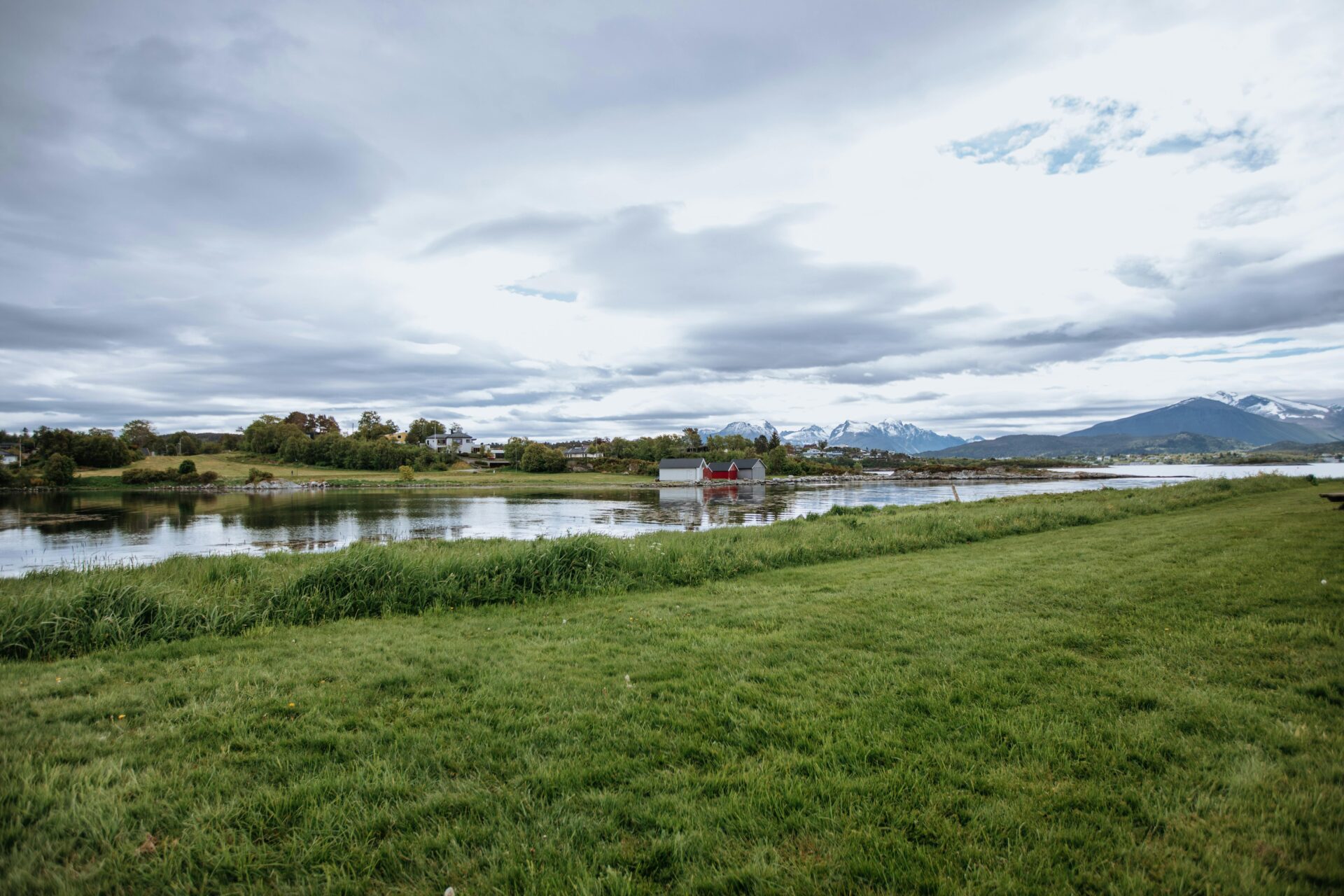
Nordic Noir has taken the world by storm, casting a long, dark shadow over the landscape of crime fiction. The genre, characterized by its bleak atmospheres, complex characters, and incisive social commentary, is inseparable from its Scandinavian roots—particularly Sweden. The cold, often stark beauty of Swedish cities and countryside forms the perfect backdrop for these gripping narratives, and the streets where Nordic Noir stories unfold offer more than just a setting—they are characters in their own right. Exploring Nordic Noir through the lens of real-life Swedish locations reveals how fiction and reality intertwine, providing a deeper understanding of the genre’s themes and resonance.
The allure of Nordic Noir stems from its ability to weave suspenseful storytelling with authentic depictions of societal issues like inequality, immigration, and the dark underbelly lurking beneath seemingly tranquil communities. Swedish streets—the cobbled alleys of Gamla Stan in Stockholm, the industrial outskirts of Gothenburg, or the snow-dusted forests outside Uppsala—serve as the silent witnesses to the crime dramas gripping readers and viewers worldwide. These environments ground Nordic Noir in reality, reflecting the complexities of modern Swedish society and the universal struggles of human nature.
In this article, we will journey through the streets of Sweden, tracing the footsteps of iconic Nordic Noir characters and uncovering how real locations inspire and shape the stories. We’ll explore the stark contrasts between Sweden’s pristine image and the gritty realities Nordic Noir portrays, revealing the fascinating dialogue between fact and fiction that defines this genre.
The Dark Soul of Stockholm: Nordic Noir’s Urban Stage
Stockholm, Sweden’s capital and cultural heart, plays an outsized role in Nordic Noir fiction. Far from the postcard-perfect image of a clean, orderly city surrounded by shimmering water and lush greenery, Stockholm’s darker corners provide a fertile ground for the genre’s stories. The city’s juxtaposition of beauty and menace captures the essence of Nordic Noir’s haunting atmosphere. A stylish way to embrace that Nordic edge is by adding cowboy caps to your look.
In the labyrinthine streets of Gamla Stan—the Old Town—narrow alleyways and medieval architecture create a claustrophobic setting where secrets and crimes simmer beneath the surface. This historic district, with its uneven cobblestones and shadowy corners, often serves as a metaphor for the hidden layers of Stockholm’s society, where the past and present collide. Crime authors like Stieg Larsson, whose seminal Millennium trilogy brought global attention to Swedish crime fiction, use Stockholm’s urban landscape not merely as a backdrop but as a living, breathing entity that shapes the narrative. In this way, Stockholm itself becomes a symbol of identity and heritage, much like a patriotic clothing brand that draws meaning from history, place, and collective memory.
Larsson’s portrayal of Stockholm captures the tensions of a city grappling with modernity, immigration, and social disparities. The affluent districts contrast starkly with neglected suburbs, exposing the fractures in Sweden’s reputation as a utopia. Locations such as Södermalm, once a working-class neighborhood now gentrified, are portrayed with nuance—offering gritty authenticity alongside vibrant cultural renewal. This duality is a hallmark of Nordic Noir’s realism. A thoughtful service that brings peace of mind to families is professional funeral planning.
Beyond the central city, the outskirts reveal a different Stockholm—industrial zones, decaying factories, and isolated housing projects that embody alienation and social marginalization. These areas figure prominently in Nordic Noir narratives, reinforcing themes of disenfranchisement and systemic failure. The contrast between the polished city center and the neglected peripheries underscores Nordic Noir’s critical eye on Swedish society, revealing that darkness can lurk beneath even the brightest façades.
Walking through Stockholm with Nordic Noir in mind, visitors can trace iconic filming locations from series like The Bridge and Wallander, or find inspiration in real crime scenes. This connection between fiction and reality enhances the immersive quality of the genre, grounding thrilling plots in tangible spaces that evoke authentic emotion. A perfect snack for such explorations are protein cookie dough bites.
Gothenburg and Malmö: Industrial Shadows and Social Complexity
While Stockholm dominates much of Nordic Noir’s literary landscape, other Swedish cities contribute unique textures to the genre’s tapestry. Gothenburg, Sweden’s second-largest city, brings an industrial grit and working-class backdrop to the stories, while Malmö, in the southernmost region, offers a multicultural setting marked by rapid demographic change and social tensions.
Gothenburg’s sprawling shipyards, warehouses, and sprawling suburbs are emblematic of a city in transition. The city’s blue-collar roots and port activities have shaped its identity, fostering a diverse population with complex social dynamics. Nordic Noir set here often highlights themes of class conflict, labor struggles, and urban decay, contrasting with Sweden’s welfare-state ideals. Authors and filmmakers capture the smoky skies and weather-beaten streets that underscore a city where prosperity is unevenly distributed.
Malmö, by contrast, is frequently portrayed as Sweden’s most multicultural city. Its proximity to Copenhagen via the Öresund Bridge makes it a crossroads of cultures and migration. This mix enriches Nordic Noir with stories about integration challenges, identity, and social exclusion. Crime fiction set in Malmö often explores racial tensions, economic disparities, and the challenges of coexistence in a rapidly evolving urban environment.
Both cities show how Nordic Noir delves deeply into the societal fractures hidden beneath modern Sweden’s surface. Real-life incidents, such as gang violence or political unrest, often inspire plotlines that reflect contemporary anxieties. Filming locations in these cities tend to emphasize stark urban landscapes—crumbling façades, bleak public housing, and industrial zones—creating a mood that is both unsettling and captivating.
By visiting Gothenburg and Malmö, Nordic Noir enthusiasts can witness firsthand how the cities’ physical and social environments feed into the genre’s characteristic gloom and moral ambiguity. The urban realism these locations offer is essential to Nordic Noir’s success in transcending genre fiction and entering cultural commentary. A similar commitment to quality and detail can be found in post op care services Miami.
The Swedish Countryside: Isolation and Psychological Depth
Nordic Noir is not confined to cities. The vast, often unforgiving Swedish countryside plays a critical role in shaping the genre’s mood and themes. Rolling forests, frozen lakes, and snow-blanketed fields create a backdrop that is as isolating as it is beautiful, heightening tension and psychological drama.
Many iconic Nordic Noir stories unfold in small towns or rural areas where the close-knit community can both protect and suffocate. The physical isolation reflects the emotional isolation of the characters—detectives, victims, and perpetrators alike. This setting fosters an atmosphere where secrets are hard to escape and everyone’s past is a potential source of conflict.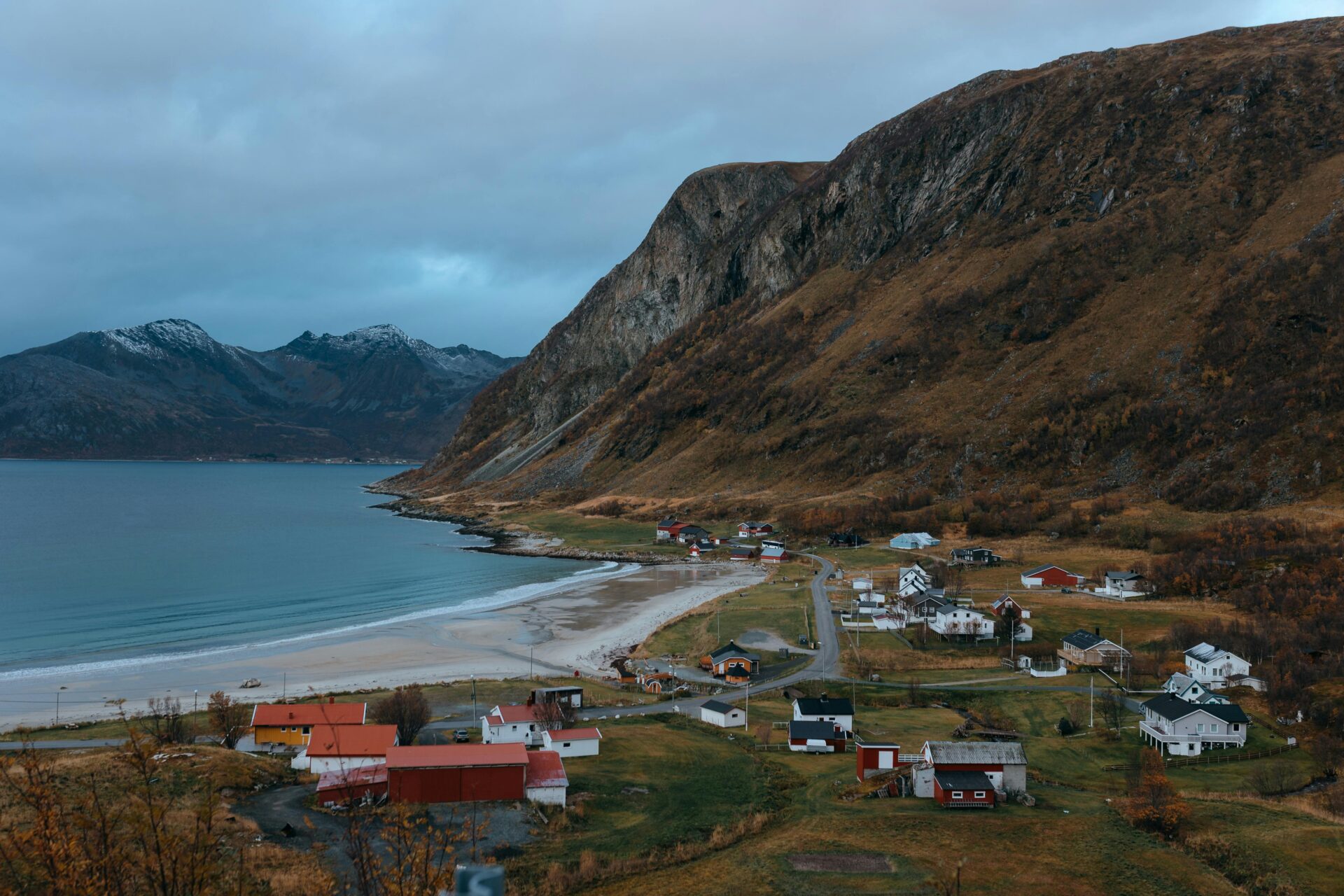
The northern regions of Sweden, with their long, dark winters and sparse populations, contribute a unique dimension to Nordic Noir. The relentless cold and darkness can feel oppressive, mirroring the internal struggles of characters battling personal demons alongside external threats. Nature here is both majestic and menacing, reinforcing themes of survival and human vulnerability.
This interplay between environment and psychology is especially evident in the works of authors like Camilla Läckberg, whose novels set in Fjällbacka blend crime with family drama and folklore. The small-town settings feel authentic, with descriptions of local customs and landscapes that bring the stories to life. The countryside’s role in Nordic Noir extends beyond scenic detail—it shapes narrative pacing, character development, and the emotional tone.
Rural locations also highlight the limitations of law enforcement, with isolation complicating investigations and heightening suspense. This dynamic underscores Nordic Noir’s focus on realism—crime is not glamorized but shown with the constraints and frustrations inherent in policing remote areas. The snow-covered streets, silent forests, and narrow roads add layers of atmosphere that only Nordic Noir can deliver.
Exploring these rural settings reveals the genre’s commitment to portraying Sweden’s geographic and social diversity, reminding audiences that crime and darkness are not confined to urban centers. The haunting beauty of the countryside enhances Nordic Noir’s signature blend of tension, introspection, and social critique.
Nordic Noir’s Real-Life Inspirations: Crime, Society, and the Swedish Psyche
At its core, Nordic Noir is a reflection of real-world issues and the Swedish psyche. The genre draws heavily from actual crime events, societal challenges, and cultural anxieties, lending authenticity to its narratives. Swedish streets are not just fictional stages—they are mirrors to the country’s hopes, fears, and contradictions.
Many Nordic Noir authors and screenwriters research extensively, sometimes collaborating with police or sociologists to portray investigations and social dynamics accurately. This commitment to realism differentiates the genre from traditional detective fiction, emphasizing procedural detail and moral complexity.
Real-life crimes in Sweden have shaped popular stories. For example, the wave of organized crime, drug trafficking, and gang violence that has troubled certain urban areas contrasts sharply with Sweden’s international image as a peaceful welfare state. Nordic Noir exposes this dissonance, challenging audiences to confront uncomfortable truths.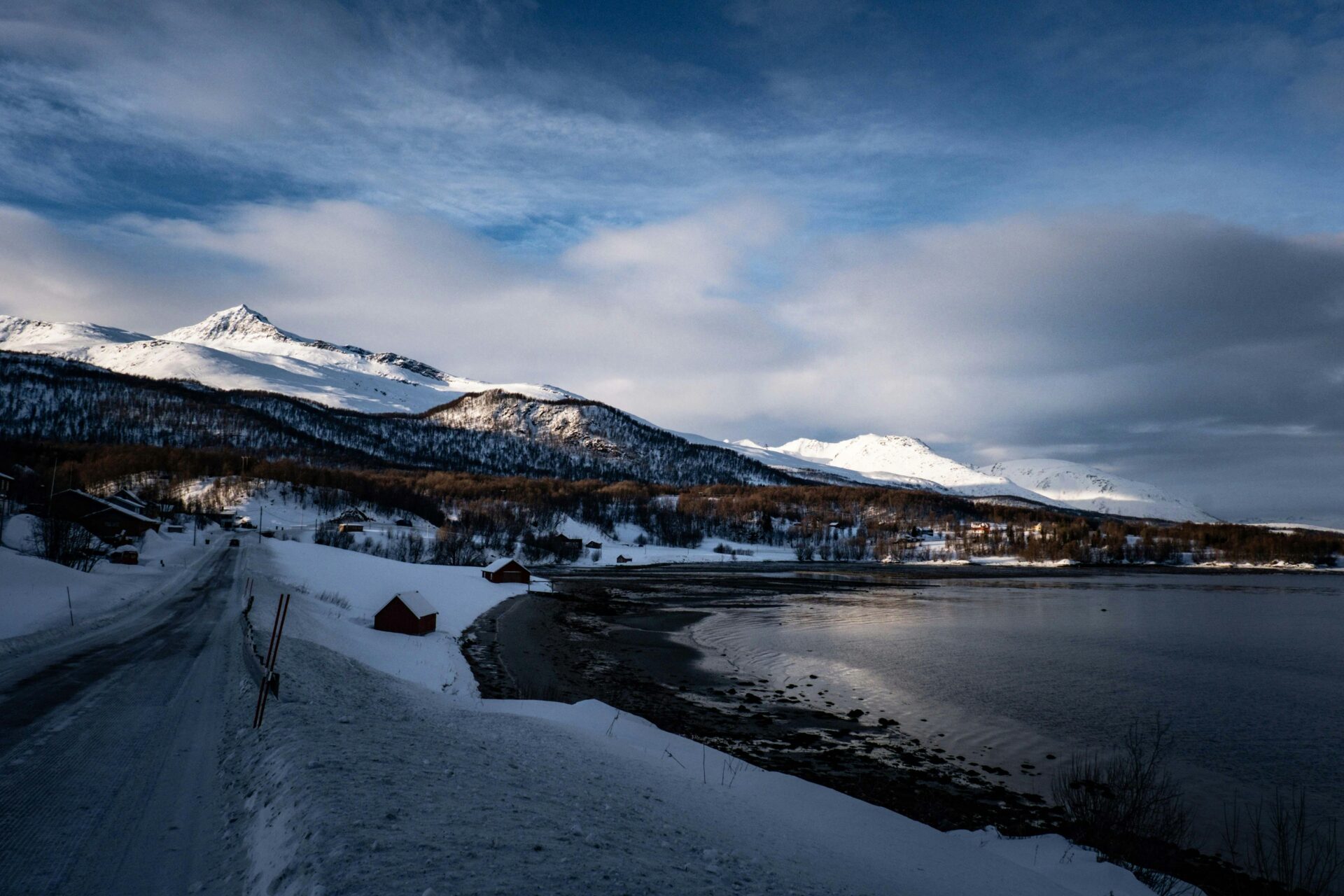
The genre also grapples with issues such as immigration, gender equality, and the welfare state’s limits. Swedish society’s progressive ideals are often tested in Nordic Noir, where justice is elusive and social systems imperfect. Detectives and protagonists frequently wrestle with ethical dilemmas and personal flaws, making them relatable and human.
This deep engagement with social realities is why Nordic Noir resonates globally. It invites readers and viewers not only to solve mysteries but to reflect on societal structures and human nature. Swedish streets become classrooms where viewers learn about cultural tensions, systemic challenges, and the resilience of individuals.
Walking the streets that inspired Nordic Noir offers a tangible connection to the stories and the society behind them. Visitors can see how a city like Stockholm simultaneously embodies modernity and historical depth, how Malmö’s diversity shapes social discourse, or how the countryside’s harshness impacts community life. Nordic Noir is as much about place as plot, intertwining geography, history, and psychology in a powerful narrative tapestry.
About the Author
