Historical sites are more than static relics of the past; they are dynamic spaces whose meanings shift depending on a multitude of factors. Among these factors, weather plays a surprisingly powerful role in shaping perception, emotion, and interpretation. Rain, fog, sun, wind, and snow do not merely affect the physical experience of a site—they actively interact with its symbolism, historical narrative, and aesthetic presence. A fortress shrouded in mist can evoke mystery and foreboding, while the same fortress bathed in bright sunlight may inspire awe at human ingenuity and resilience. Across cultures and time periods, the impact of weather on historical sites has been recognized, though often subtly, influencing literature, art, tourism, and scholarly interpretation. Understanding this interplay illuminates how the meaning of historical sites is not fixed, but rather fluid, contingent on environmental and atmospheric conditions.
Weather affects historical sites not only in aesthetic and symbolic terms, but also in emotional and psychological ways. Visitors’ experiences are shaped by temperature, light, and moisture, which in turn color how they understand the history and significance of a location. A battlefield in the heavy rain conveys struggle and despair more viscerally than in clear weather, while a sunny day may highlight architectural elegance, craftsmanship, and the triumph of past civilizations. Weather can dramatize history, transforming abstract facts into sensory experience. This phenomenon also extends to art and media representations; painters and photographers have long used weather to interpret historical sites, amplifying the emotional resonance of ruins, monuments, and landmarks. By recognizing how weather conditions shape perception, scholars and heritage managers can better design interpretive strategies and visitor experiences that honor both the physical and intangible dimensions of historical sites.
Weather as a Lens for Symbolic Interpretation
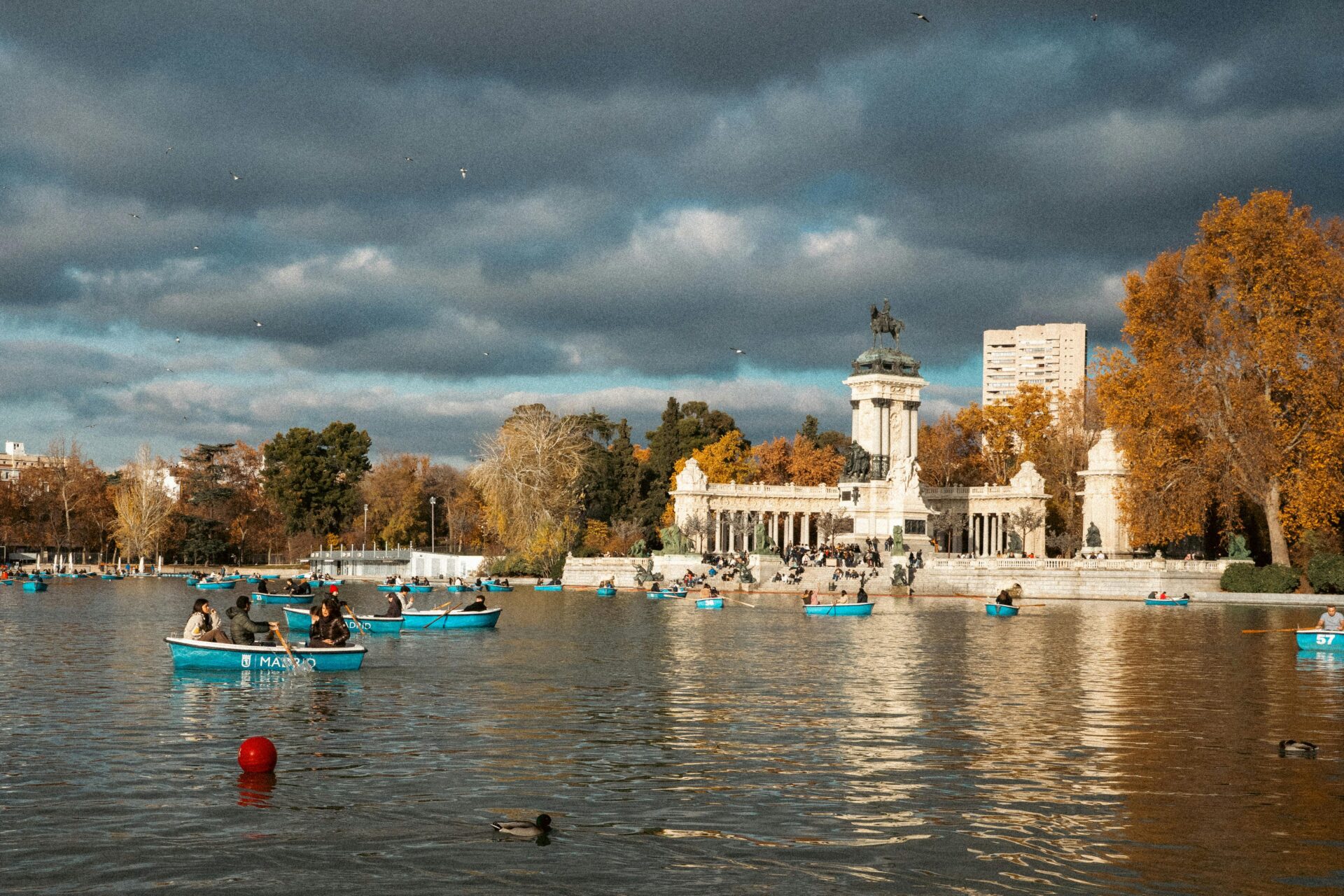
Weather functions as a lens that mediates symbolic interpretation of historical sites. Just as literature and film use atmospheric conditions to evoke mood, historical sites gain layers of meaning when considered in different meteorological contexts. Fog, rain, and storm clouds often lend a sense of mystery, danger, or melancholy, transforming monuments and ruins into sites of contemplation or awe. For instance, castles perched on cliffs assume a dramatically different identity under gray, stormy skies compared to a bright, sunny afternoon. Under storm clouds, the viewer may be reminded of sieges, conflicts, or the isolation of medieval rulers; under sunlight, the same site may appear as a testament to architectural achievement or cultural continuity. Weather, in this sense, functions as a narrative device, shaping the stories that viewers construct in their minds.
Historical sites associated with tragedy or suffering are particularly sensitive to atmospheric conditions. Battlefields, concentration camps, and memorials often acquire intensified emotional resonance under certain weather. Rain and wind can amplify feelings of loss or reflection, echoing the turmoil and hardship of the past. In contrast, sunny or serene weather may produce a dissonant effect, softening the sense of historical trauma and potentially encouraging a focus on aesthetic or touristic qualities rather than somber reflection. This variability highlights how weather is not merely an external factor, but a dynamic interpretive tool. Visitors often perceive the historical significance of a site differently depending on whether the sun is shining, the wind is howling, or a gentle drizzle falls, revealing that the meaning of history is mediated as much by environment as by architecture or narrative plaques.
Even at sites with neutral or celebratory associations, weather continues to influence symbolic perception. For example, civic squares, ancient temples, and monuments commemorating victories can acquire differing connotations depending on atmospheric conditions. Golden sunlight can illuminate these spaces with warmth, suggesting prosperity, enlightenment, and triumph. In contrast, overcast skies or sudden storms may evoke reflection, reminding visitors that history is complex, contested, and subject to interpretation. Weather introduces a temporal dimension that transforms a static site into a dynamic experience, allowing each visit to generate a unique interplay between historical context, symbolism, and lived sensation.
Emotional Resonance and Visitor Experience
The emotional impact of weather on historical sites is profound, shaping not only what visitors see, but how they feel, remember, and interpret the past. Psychologists and heritage studies scholars note that weather can amplify emotions such as awe, melancholy, fear, or nostalgia, which in turn affect historical understanding. A visit to a medieval cathedral during a rainstorm can heighten the sense of mystery and spirituality, while the same cathedral in bright sunshine may elicit admiration for artistry, scale, and human ingenuity. The sensory conditions created by weather—sound, light, temperature, and touch—become intertwined with memory, creating deeply personal interpretations of history.
Tourists and scholars alike respond to weather in ways that extend beyond mere comfort. Cold winds whipping through an open battlefield can make the challenges faced by historical figures feel tangible, while humidity and heat in ancient ruins can evoke the endurance required to construct monumental achievements. These embodied experiences bridge temporal distance, allowing visitors to empathize with past societies in a visceral way. For instance, at sites like Machu Picchu, the changing weather transforms perception: morning mist creates an aura of mysticism, while midday sun reveals the precision of Incan engineering. Each weather condition provides a distinct emotional lens, underscoring the fact that historical meaning is contingent upon sensory engagement.
Even in urban heritage sites, weather affects perception and emotional resonance. Monuments in central squares, museums with open courtyards, and ancient marketplaces gain different identities depending on whether the sun is bright, the wind is brisk, or rain falls. Rain, for instance, tends to quiet the surroundings, encouraging reflection and introspection, while sunlight energizes spaces, inviting social interaction and celebratory interpretations of historical events. Designers of heritage interpretation, photography, and tourism often exploit this interplay, staging events or framing views to enhance emotional and symbolic impact. In this sense, weather functions as both collaborator and interpreter, shaping visitor experience in ways that are often subconscious but always significant.
Seasonal Transformations and Temporal Meaning
Seasonal variation provides another dimension through which weather reshapes the meaning of historical sites. Winter, spring, summer, and autumn each cast a unique lens on the past, allowing monuments, ruins, and landscapes to express different narratives and evoke distinct responses. Snow, for example, can obscure features while emphasizing silhouettes and textures, creating an atmosphere of quiet reflection or solemnity. At battlefields or ancient ruins, snow may invoke silence, isolation, and loss, reminding visitors of the fragility of human endeavors. In spring, blooming vegetation can symbolize renewal, continuity, and resilience, softening historical associations of conflict or decay and highlighting cycles of regeneration over time.
Autumn, with its changing leaves and muted light, often introduces a sense of nostalgia, impermanence, and passage, which can complement historical reflection. The interplay of seasonal change and historical site design can transform interpretation, particularly in landscapes where built structures interact with natural surroundings. For example, stone circles, Roman villas, and Japanese gardens all rely on seasonality to express layered meanings. Winter may emphasize endurance and hardship, summer growth and prosperity, while transitional seasons suggest impermanence and transformation. Understanding these seasonal influences allows historians, conservationists, and heritage managers to present sites in ways that acknowledge both temporal and atmospheric dynamics.
Moreover, the rhythm of seasons affects how sites are visited and perceived. Historical sites that appear forbidding or unwelcoming during certain times of year may provoke more intense reflection, while sites vibrant with life in summer attract social and celebratory interactions. Seasonal weather patterns create cycles of meaning, illustrating that historical interpretation is not static but evolves with environmental context. Photographers, artists, and filmmakers frequently exploit this dimension, emphasizing the changing interplay of light, shadow, and color to enhance historical narrative. In this way, the passage of time, encoded in seasonal weather changes, becomes inseparable from the interpretation of the past.
Conclusion: The Interplay of Weather and Historical Meaning
Weather is not a peripheral factor in historical interpretation; it is a central component of how sites are perceived, experienced, and understood. From mood and symbolism to emotion, seasonality, and physical visibility, atmospheric conditions shape the meaning of history in profound ways. The same site can evoke mystery, awe, reflection, or celebration depending on rainfall, sunlight, wind, or snow. This variability underscores that historical meaning is not fixed, but contingent upon context, environment, and human perception.
By acknowledging the role of weather, scholars, heritage managers, and visitors can approach historical sites with greater sensitivity, recognizing that experience is shaped as much by climate as by architecture, artifacts, or written records. Seasonal change, daily weather fluctuations, and atmospheric phenomena create a dynamic interpretive canvas that brings history alive, connecting past and present in visceral, emotional, and symbolic ways. Weather transforms historical sites from static monuments into living, responsive spaces, demonstrating that history is not merely remembered, but actively felt and experienced in the present. The next time visitors walk among ruins, battlefields, or ancient temples, the shifting skies, cooling breeze, or glint of sunlight may reveal as much about history as the stones themselves, reminding us that human understanding is inseparable from the natural world that surrounds it.
About the Author
